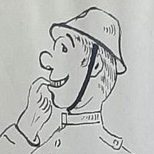
Sikke was first stationed in the village of Schoorl during the mobilisation period, where he served in the third company of the ninth regiment depot battalion, III depot Infantry. Sikke served in Schoorl from August 29, 1939, until October 7, 1939, after which he departed for Weesperkarspel. Sikke greatly appreciated his time in Schoorl, as evidenced by his diary. However, the question remains what Schoorl looked like during the time Sikke was stationed there and how it looks like today. To show this , I, Lars, visited Schoorl and photographed the places mentioned in Sikke’s diary, 85 years later. Below you can view and compare the photos.
The Mennonite Brotherhood House
The exact location where Sikke was stationed as a mobilized soldier was the Mennonite Brotherhood House (now known as Dopersduin). At that time, he stayed in the chapel.
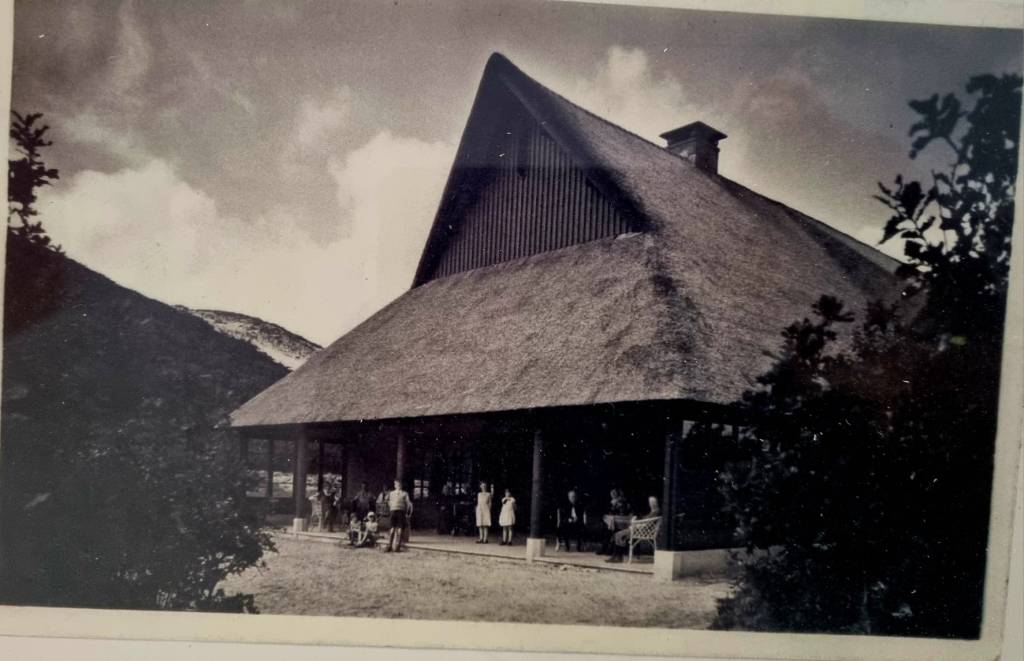
This is what the main building of the Mennonite Broterhood House looked like approximately 85 years ago.
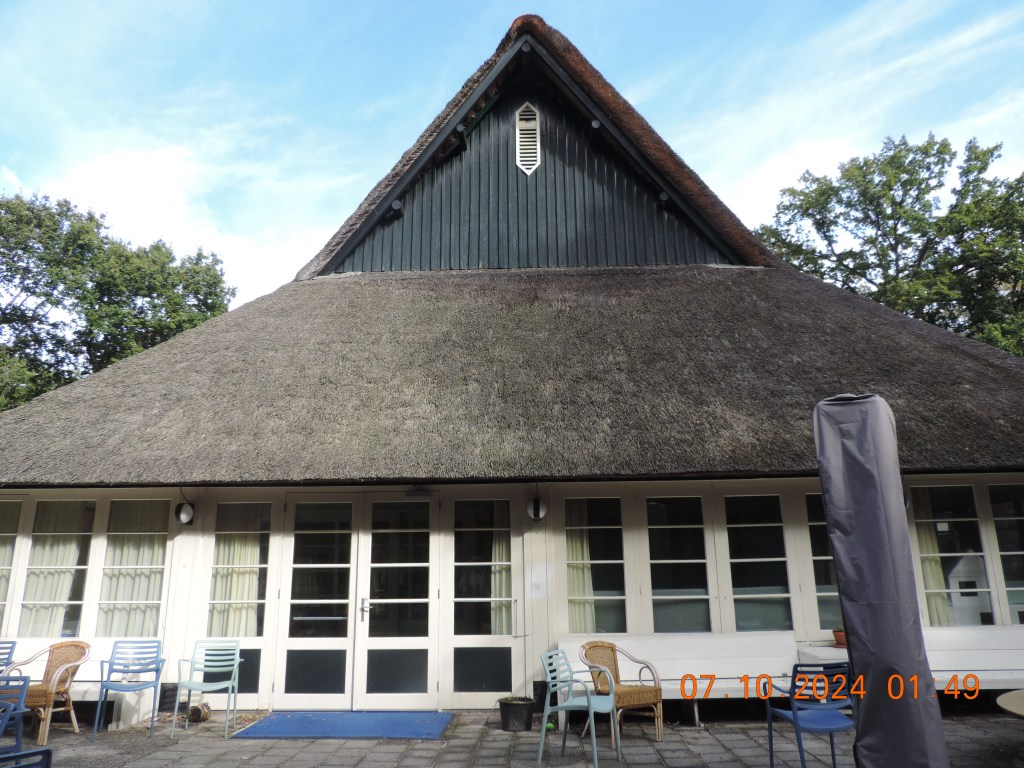
This is what the main building of Dopersduin looks like today.
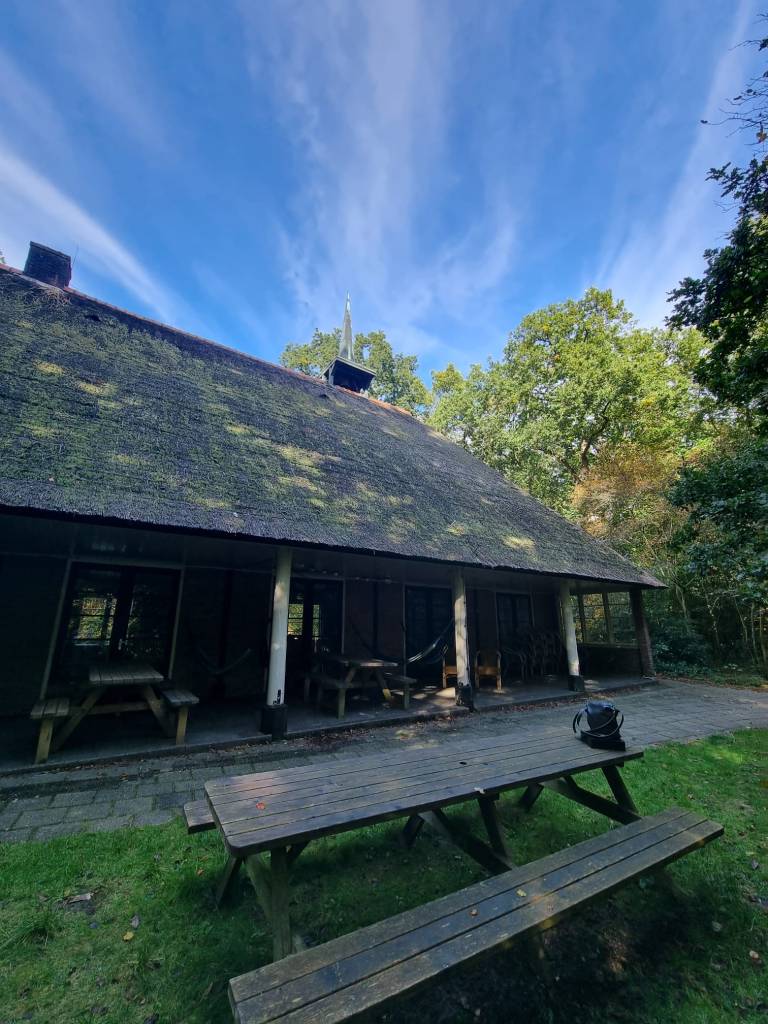
The exterior of the chapel of the Mennonite Brotherhood House. Originally, the chapel was made of wood, but during World War II, the Germans used the wood from the chapel and dormitories to fuel the stove.

This is the inside of the chapel . Sikke slept inside this chapel during his stay in Schoorl.
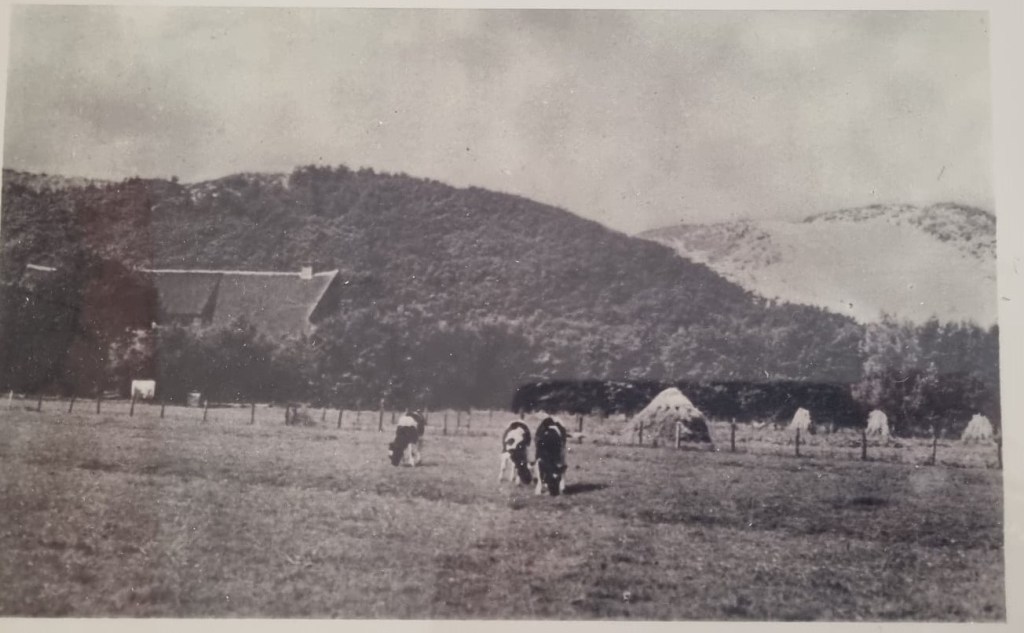
This is what the surroundings of the Mennonite Brotherhood House looked like about 85 years ago. In his diary, Sikke writes on September 11, 1939, that he could see the water tower in Hoorn from the climbing dune. On the right side of this old photo, the climbing dune can be seen.

From the climbing dune, you have a wide view of the surrounding area, as seen in this photo. However, in recent decades, several trees have been planted, which has limited the view compared to 85 years ago.
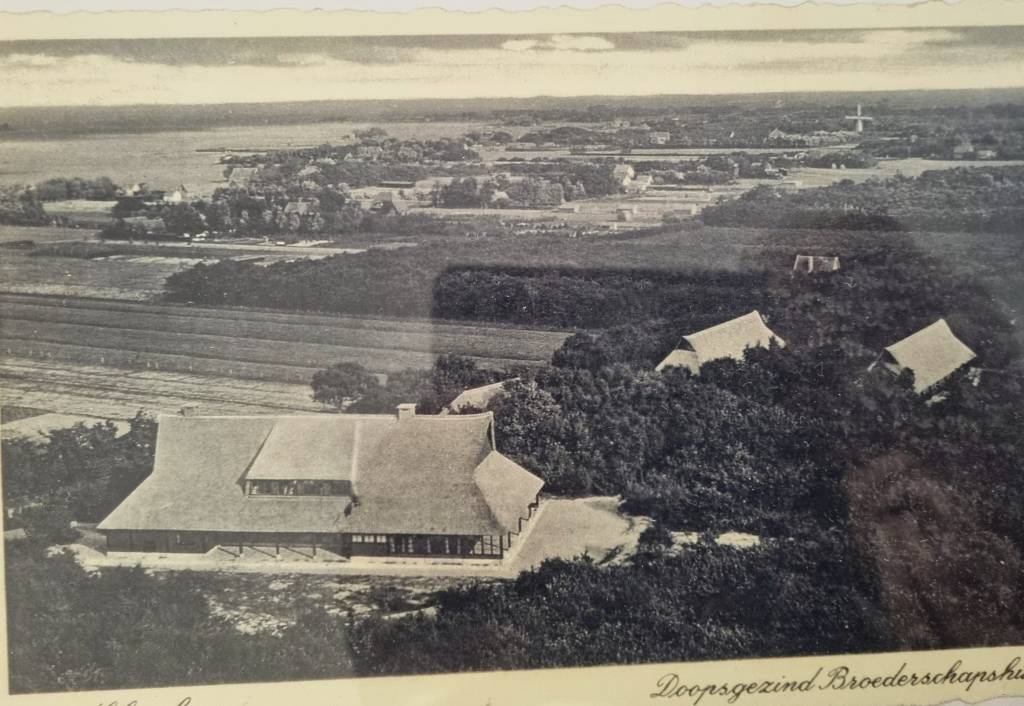
This is what the Mennonite Brotherhood House looked like about 85 years ago.
The Dutch Reformed Church in Schoorl
Sikke was a religious man and therefore regularly went to church. During his time in Schoorl, he attended the Dutch Reformed Church on Sundays (Currently, known as the Dorpskerk Schoorl, part of the Protestant congregation of Schoorl, Groet, Camp).
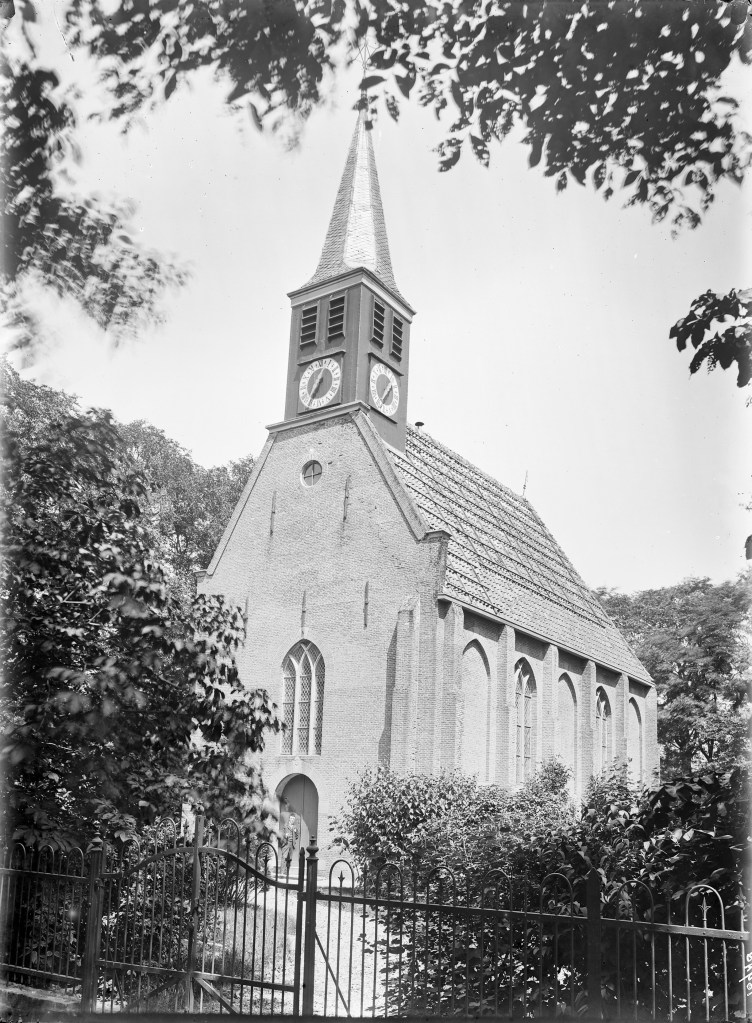
This is the church that Sikke visited during his stay in Schoorl. This photo was taken around 1902.
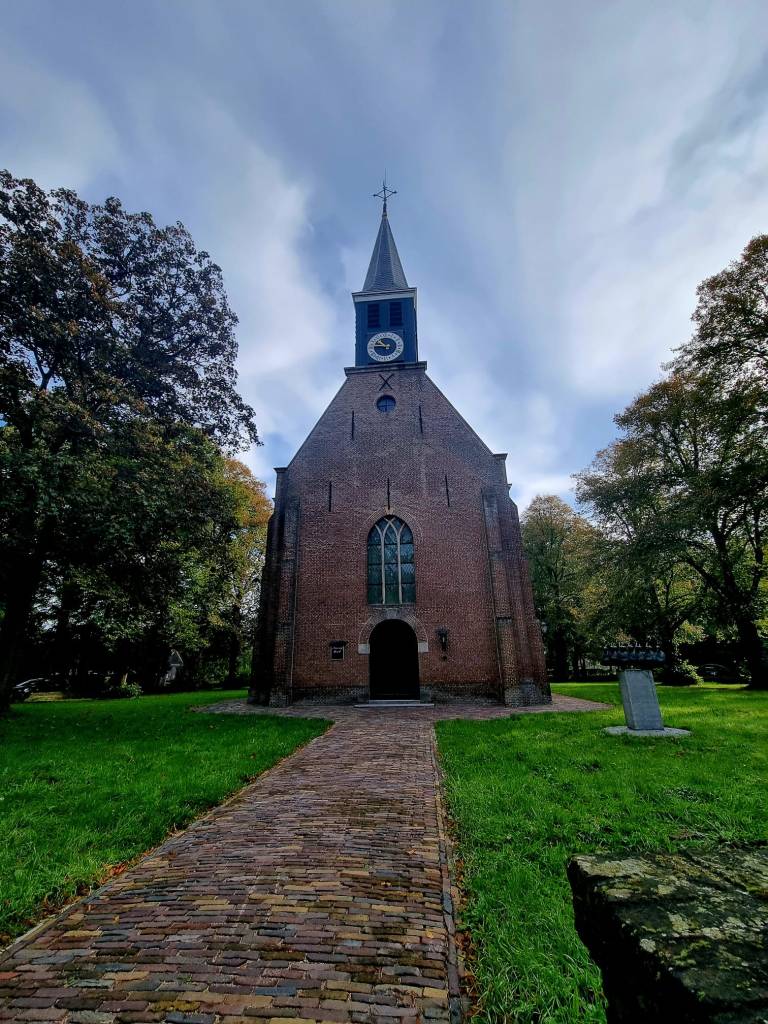
The church is still active to this day. This is what the church currently looks like.
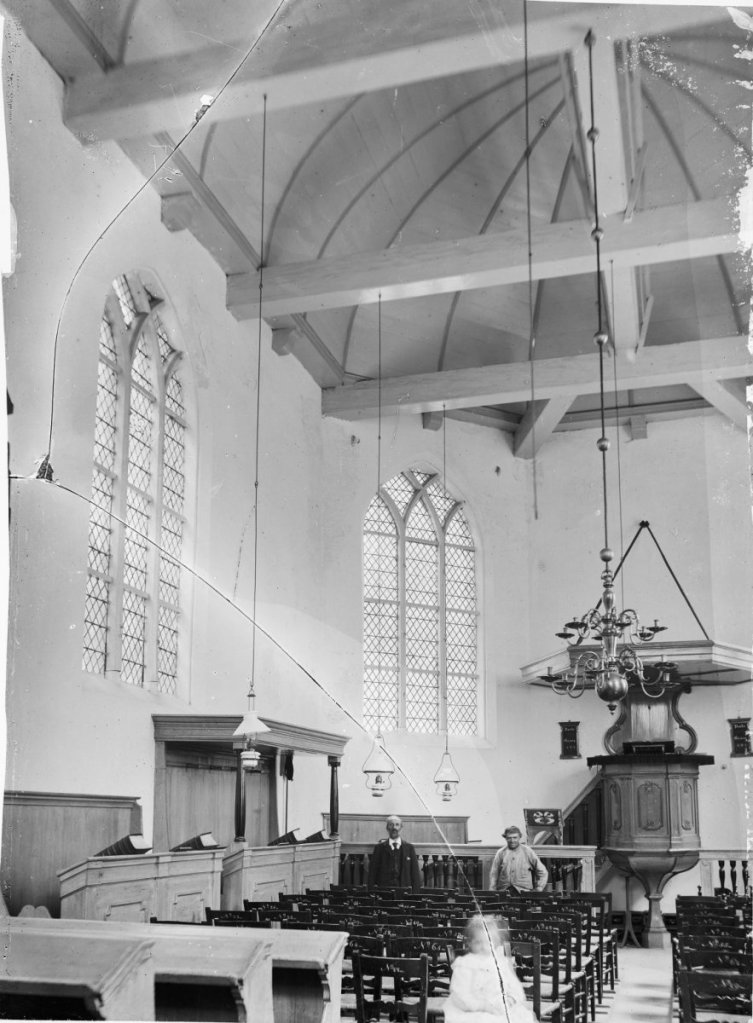
This is the interior of the church in Schoorl around 1902.
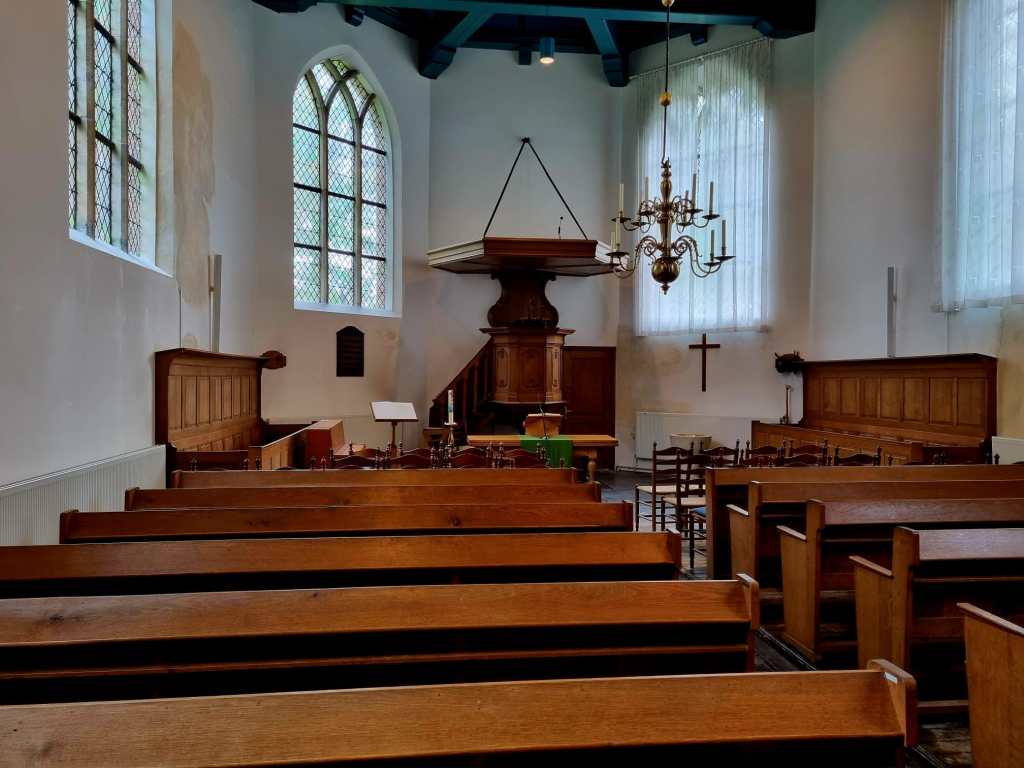
This is the interior of the church today. Sikke has taken a seat on one of these church benches or chairs to listen to the service held on Sundays.
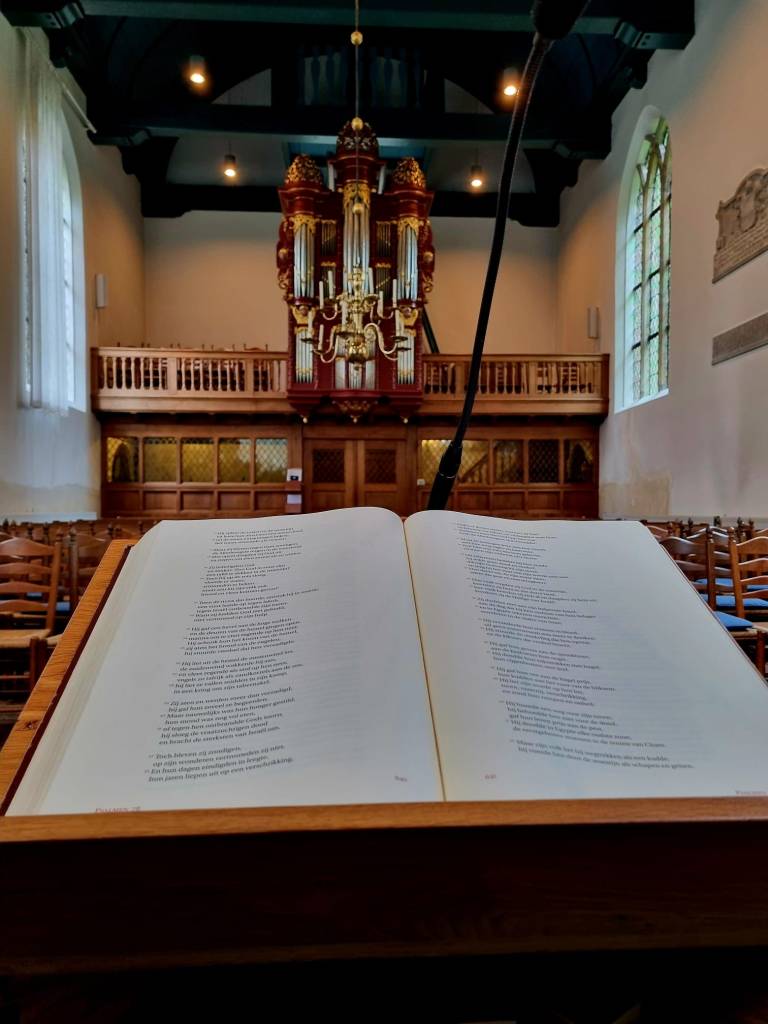
This is the interior of the church from the perspective of the preacher, who has the Bible in front of him. An organ can be seen in the background.
Hotel de Roode Leeuw & Youth Hostel de Bregthoeve
In addition, Sikke also described other locations in his diary, such as Youth Hostel de Bregthoeve, where he liked to have a cup of coffee, and Hotel de Roode Leeuw, where he to guard duty once.
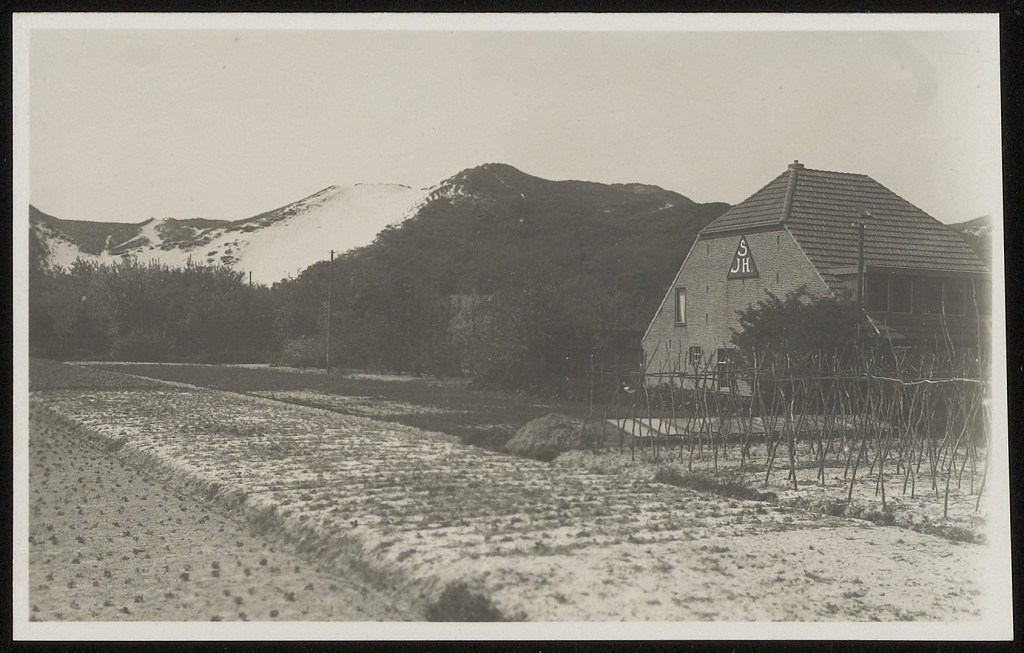
This was Youth Hostel de Bregthoeve, the place where Sikke sometimes got his coffee. This photo was taken shortly after the war. The hostel was located near the Mennonite Brotherhood House.
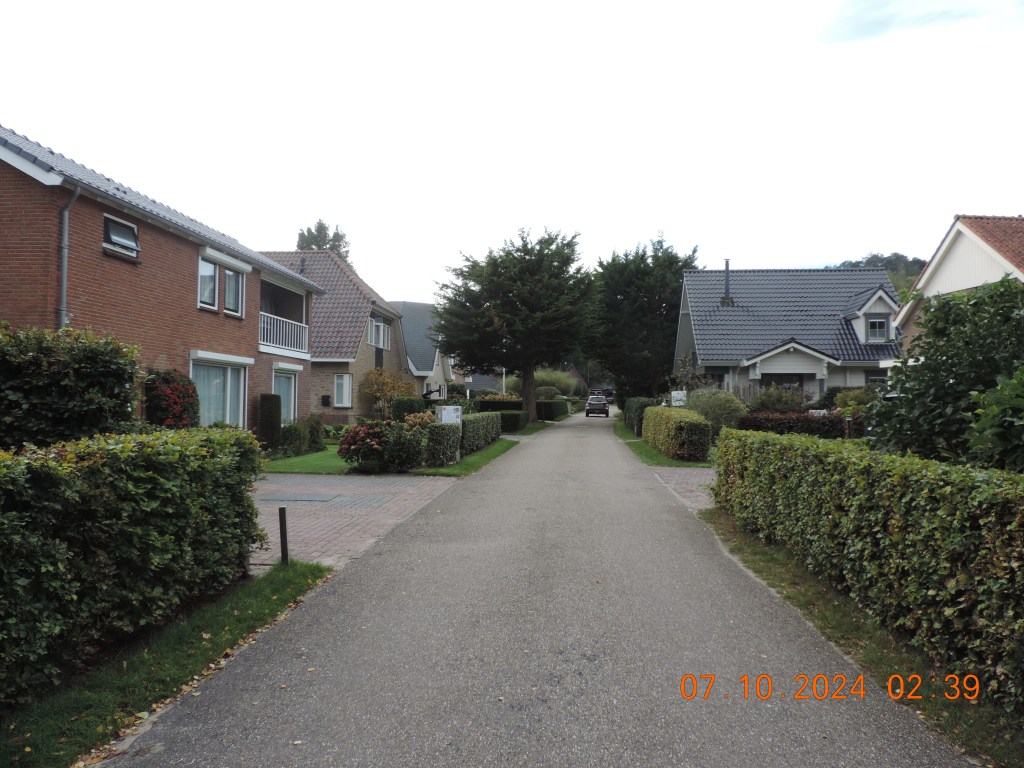
This is what the surroundings of Youth Hostel de Bregthoeve look like nowadays. It is now a regular street with houses.
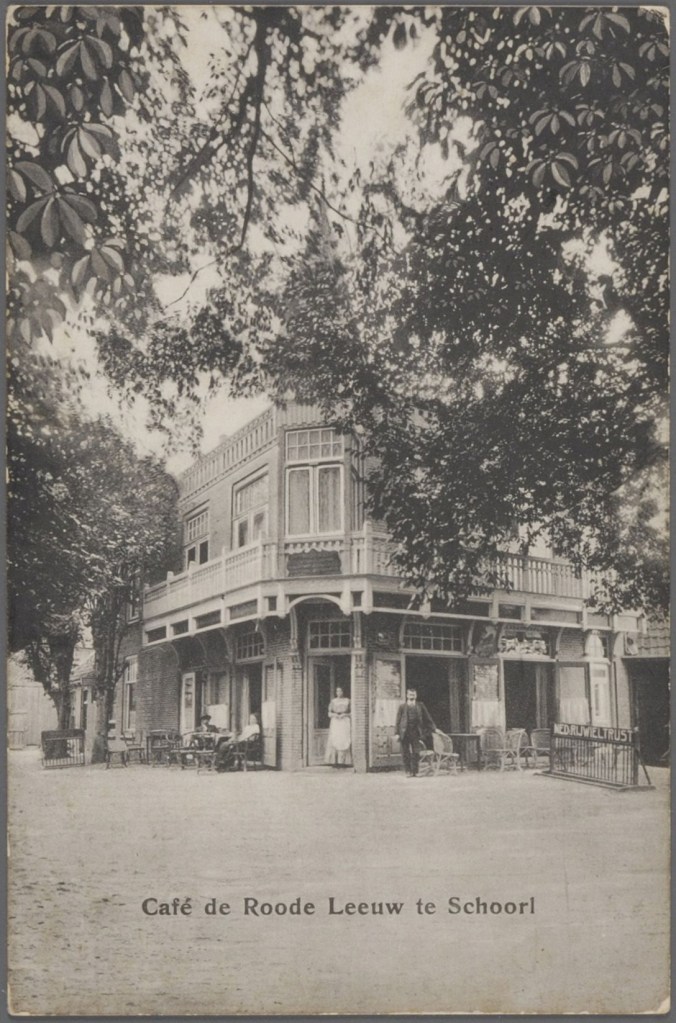
This is an image of Hotel De Roode Leeuw, taken around 1910. Sikke stood guard here as a soldier on September 8, 1939.
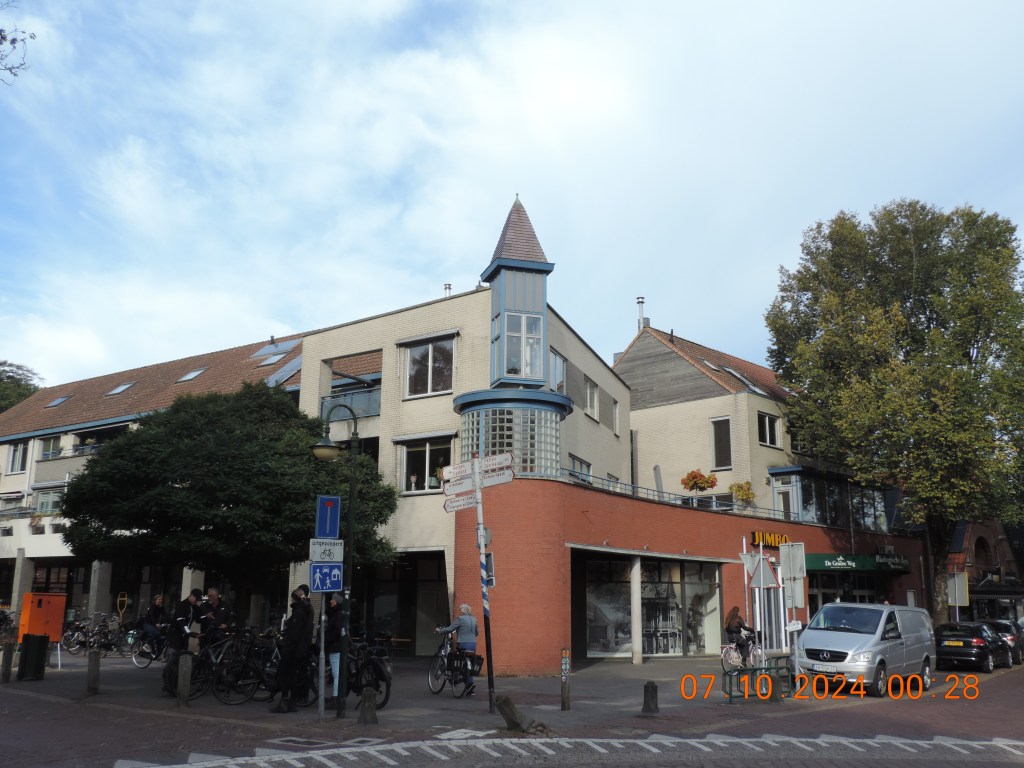
Hotel de Rode Leeuw has now been replaced by supermarket the Jumbo. Only the gable roof, which was built later, still gives an impression of the place where the hotel once stood.
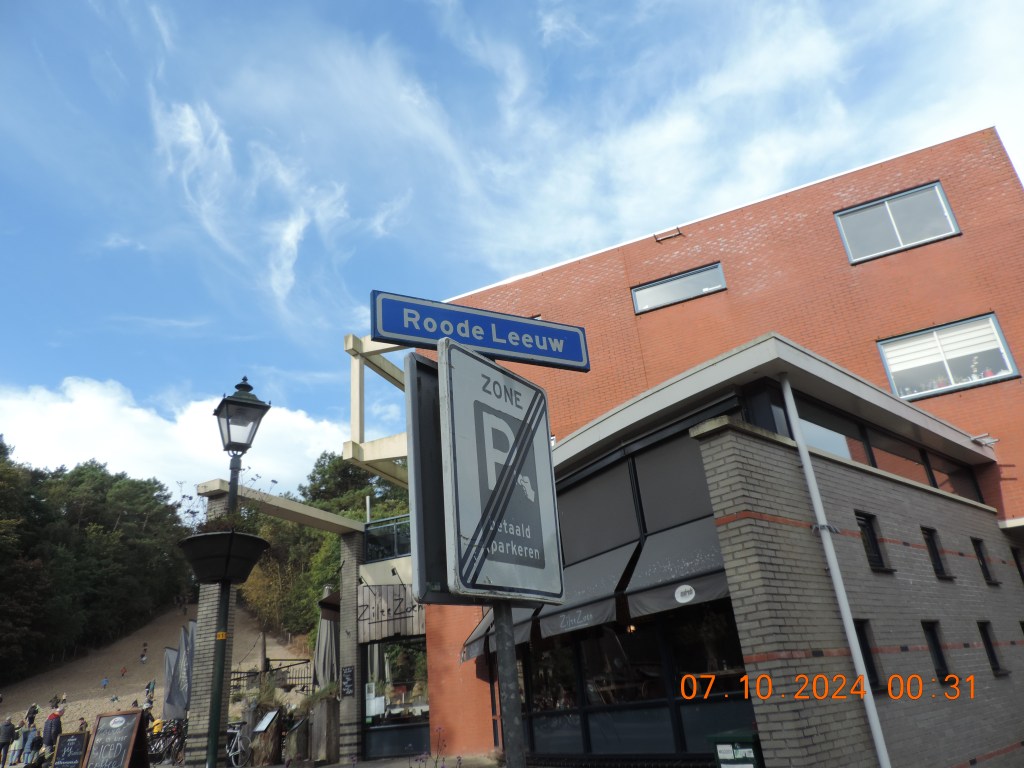
Although Hotel de Roode Leeuw has now been replaced by the Jumbo, there is still a street sign in memory of the hotel.
 Soldaat Sikke Hiemstra