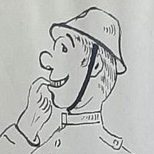
During the mobilization, Sikke frequently took leave to go home. In his diary, he also describes the places he visited in Hoorn. After his mobilization period, Sikke continued to live in Hoorn until his death in 1997. Sikke had a close connection with Hoorn because it was the place where he had started his family. Nevertheless, he never forgot where he came from. Sikke was originally from Oudega-W. In his diary, he writes once about his visit to Oudega-W during his leave. Even after World War II, he often returned to his birthplace with his children. I (Lars) have visited both places and photographed the locations from Sikke’s past. Below, you can view and compare the photos.
Hoorn
Station
The station in Hoorn was the place where mobilization began for Sikke. From there, he was sent to the depot battalion in Schoorl. During his time in mobilization, Sikke often returned to this station, as he was regularly allowed to go home on leave.

The station was the departure point for many mobilized soldiers. For Sikke, the station in Hoorn marked the start of his train journey to Schoorl. It also signified the beginning of his mobilization period.
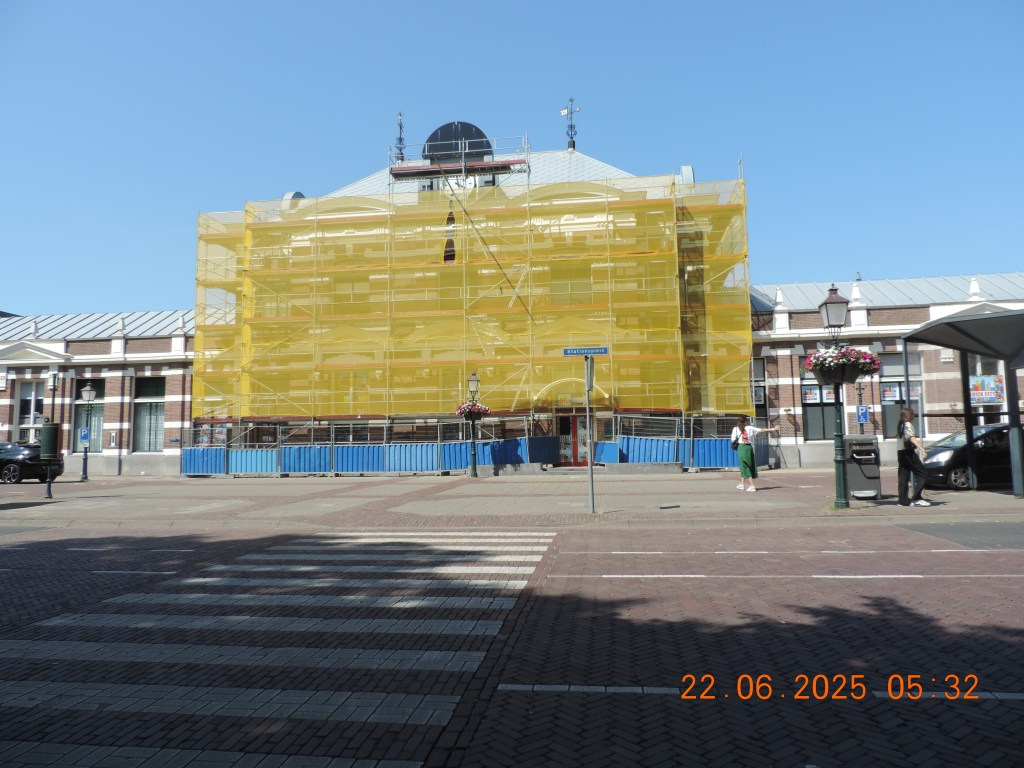
The station in Hoorn is currently under scaffolding. Nevertheless, not much has changed.
pieter florisstraat
The Pieter Florisstraat was the neighborhood where Sikke lived together with Ymkje during the mobilization and the Second World War.
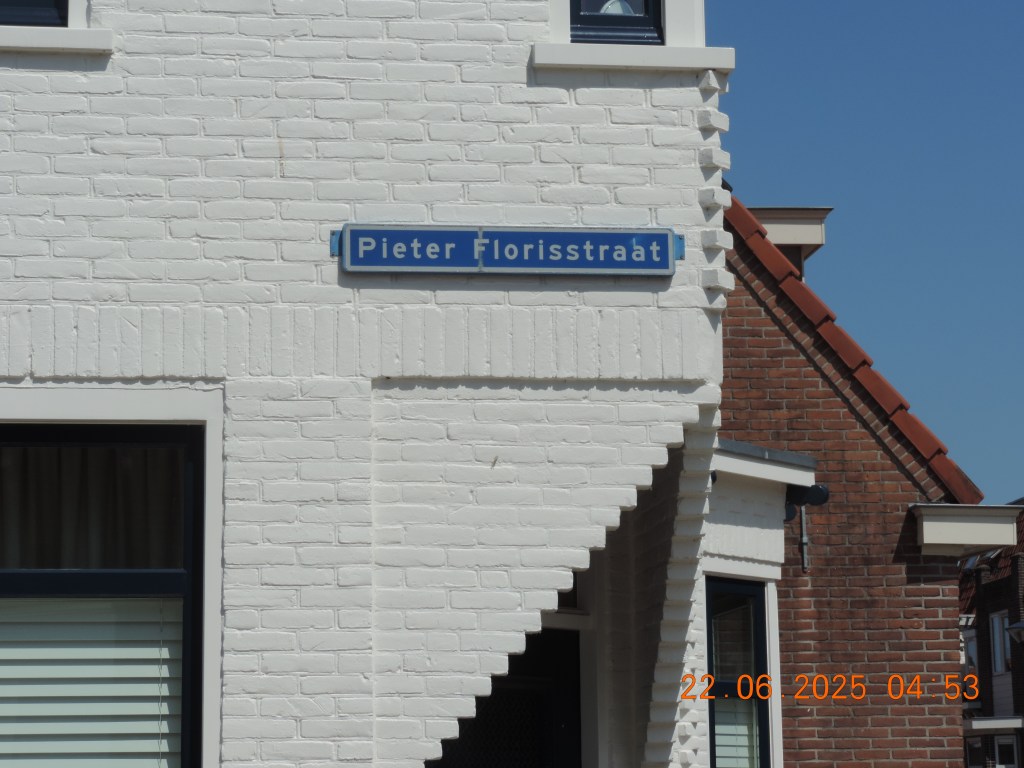
An recent picture from the Pieter Florisstraat.
PWN
Sikke worked for the Provincial Water Supply Company of North Holland (PWN) during the mobilization and the Second World War. He continued to work there even after the war.
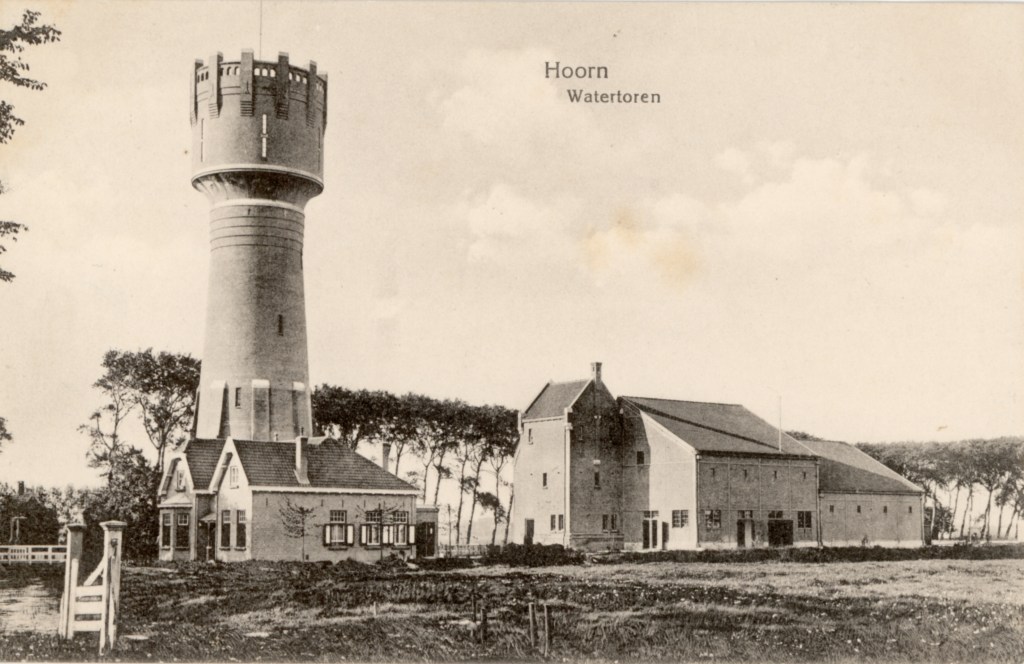
The office of PWN was located next to the iconic water tower of Hoorn.
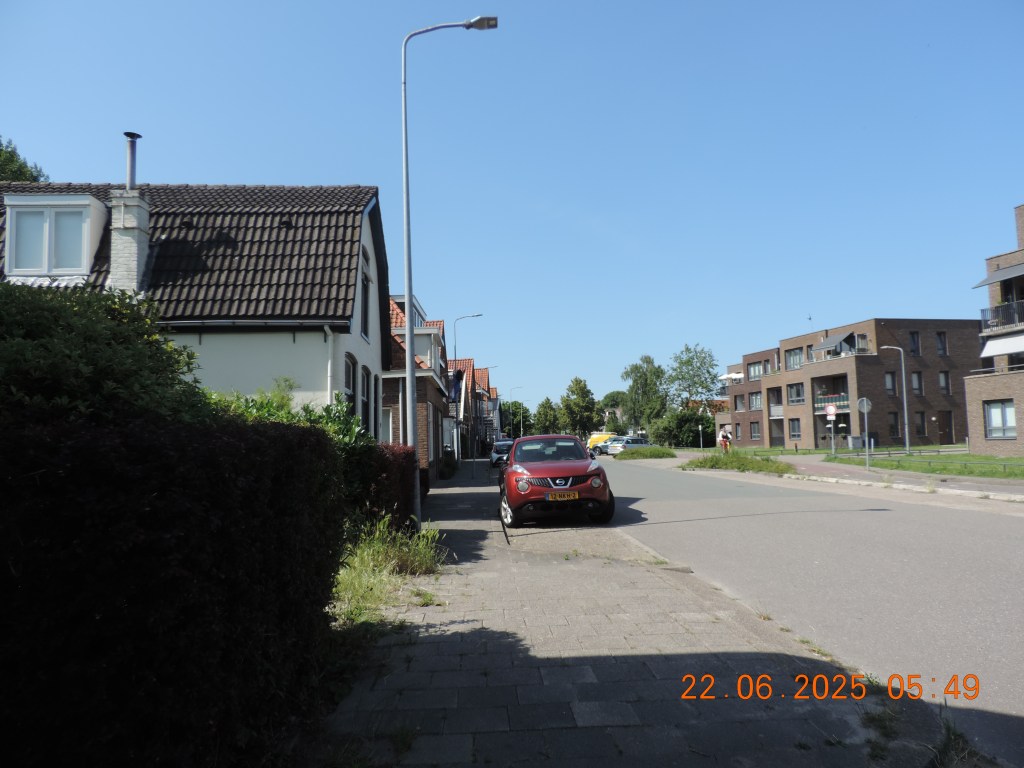
In the meantime, much has changed, and there are few recognizable landmarks where the water tower and office of the PWN once stood.
Eikstraatchurch
Sikke went to church on Eikstraat every Sunday. He was very active there and eventually became the sacristan. Even during the mobilization period, when he was home on leave, he attended this church on Sundays.

This photo shows Eikstraat, with the church of Sikke on the left.
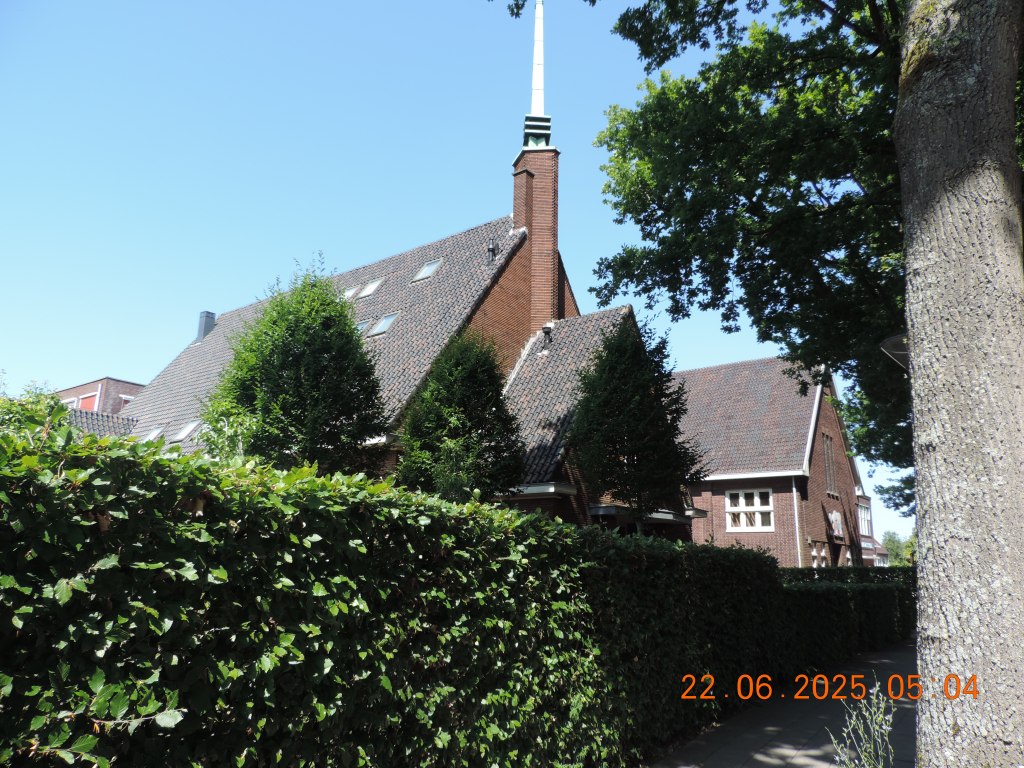
Nowadays, the Eikstraat Church functions as residential housing. However, nothing has changed on the outside.
Hospital de Villa
Hospital De Villa was the place where Ank (Sikke’s daughter and my grandmother) was admitted in April 1940 to have her tonsils removed. Sikke was granted leave to visit his daughter in the hospital.
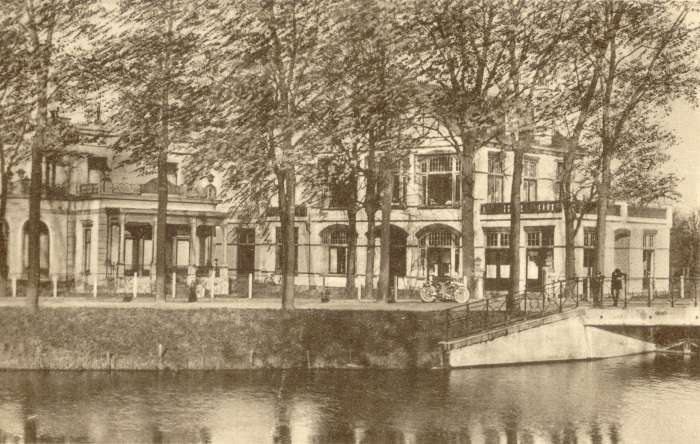
This was the hospital (Ziekenhuis de Villa), where Ank was admitted to have her tonsils removed.
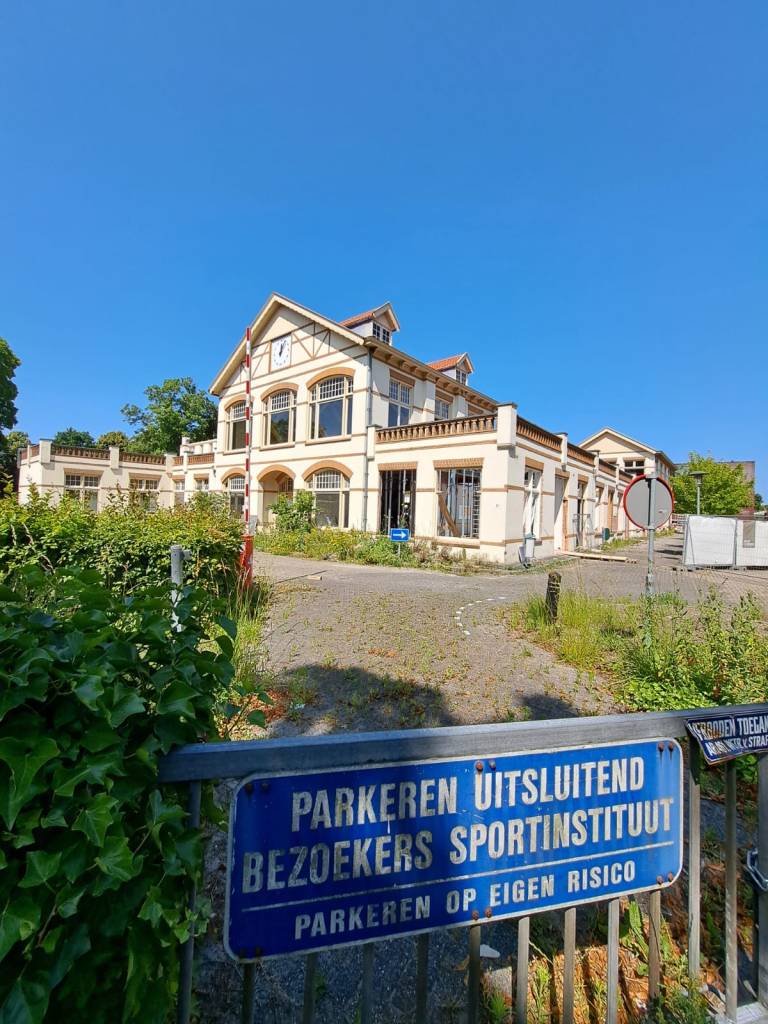
Nowadays, it is no longer a hospital, although the building is still standing.
van de blocqueriestraat & Westerhaven
In the 1950s, Sikke and Ymkje moved from Pieter Florisstraat to Venenlaan (unfortunately, no photos were taken of this). In the 1960s, they moved again, this time to Van de Blocqueriestraat. They lived there together until Ymkje passed away in 1989. After that, Sikke moved to the De Westerhaven care home, where he lived until his death in 1997.
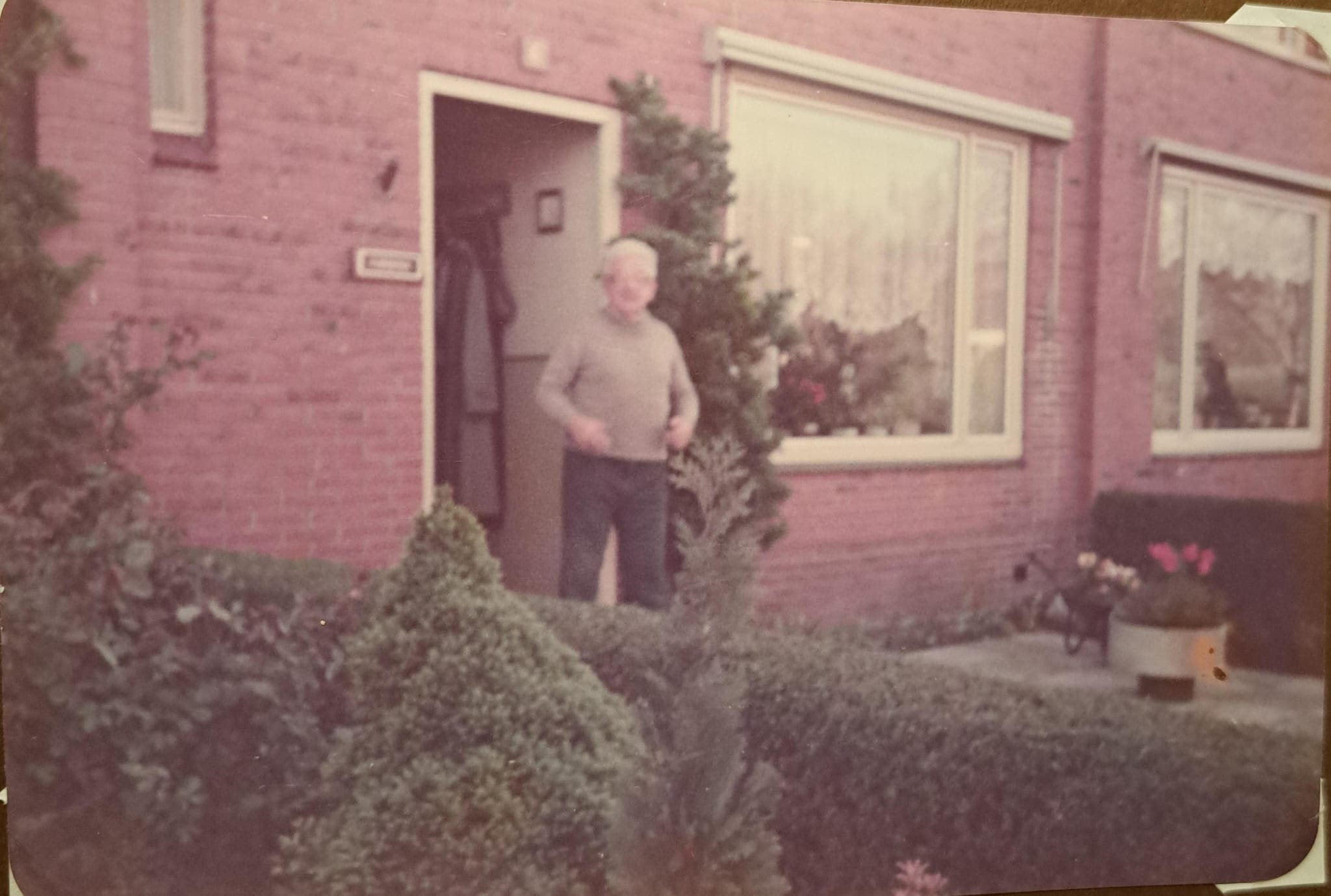
Sikke in front of his house on Van de Blocqueriestraat.
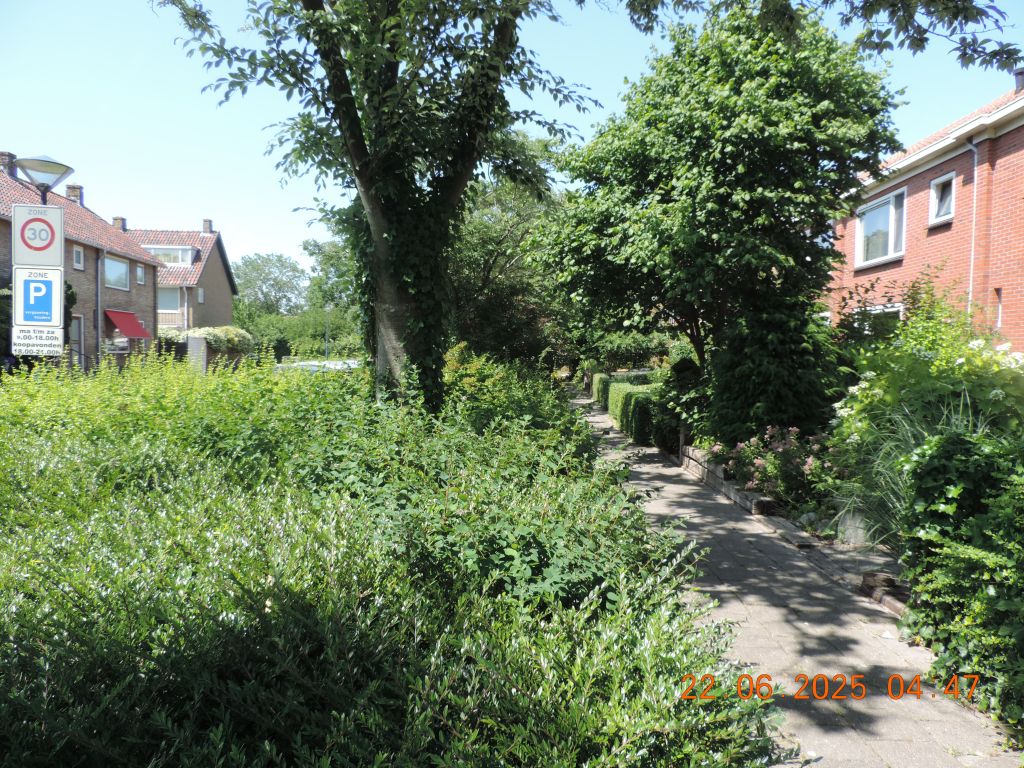
This is what Van de Blocqueriestraat looks like today.
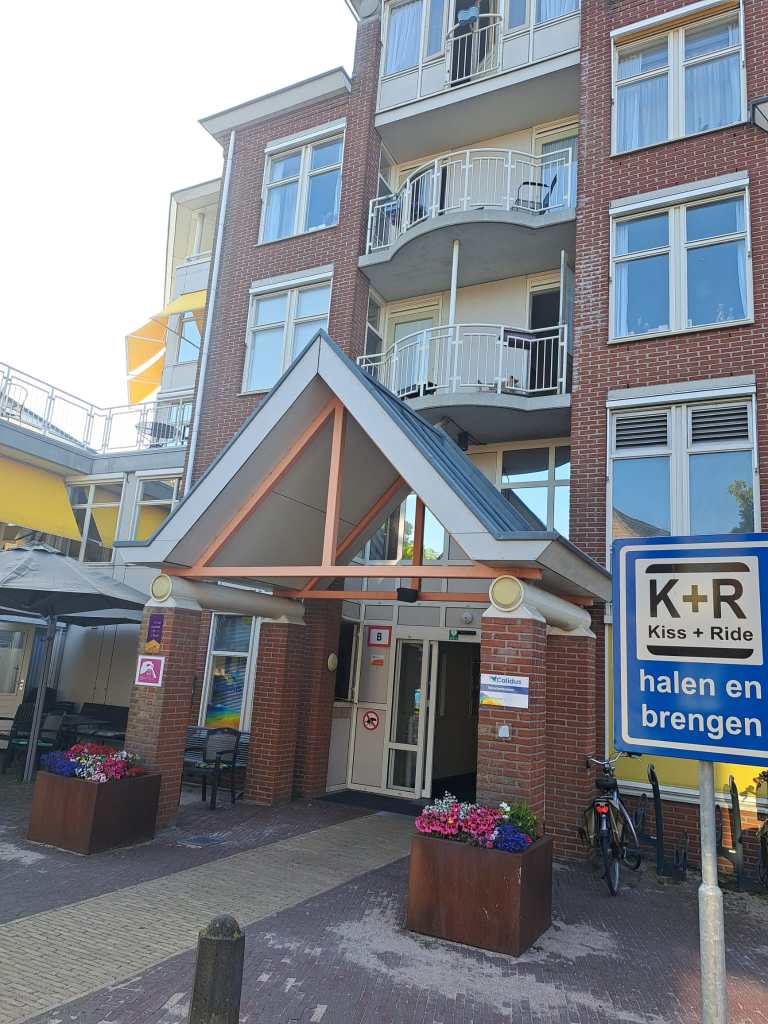
This is the entrance to Westerhaven. This was the last place where Sikke lived.
Oudega-W
Drawing
Sikke enjoyed drawing and regularly made drawings for his family members. He also created a drawing of Oudega, with the text “Our Home” written underneath. I looked up the place where Sikke was likely standing when he made this drawing.
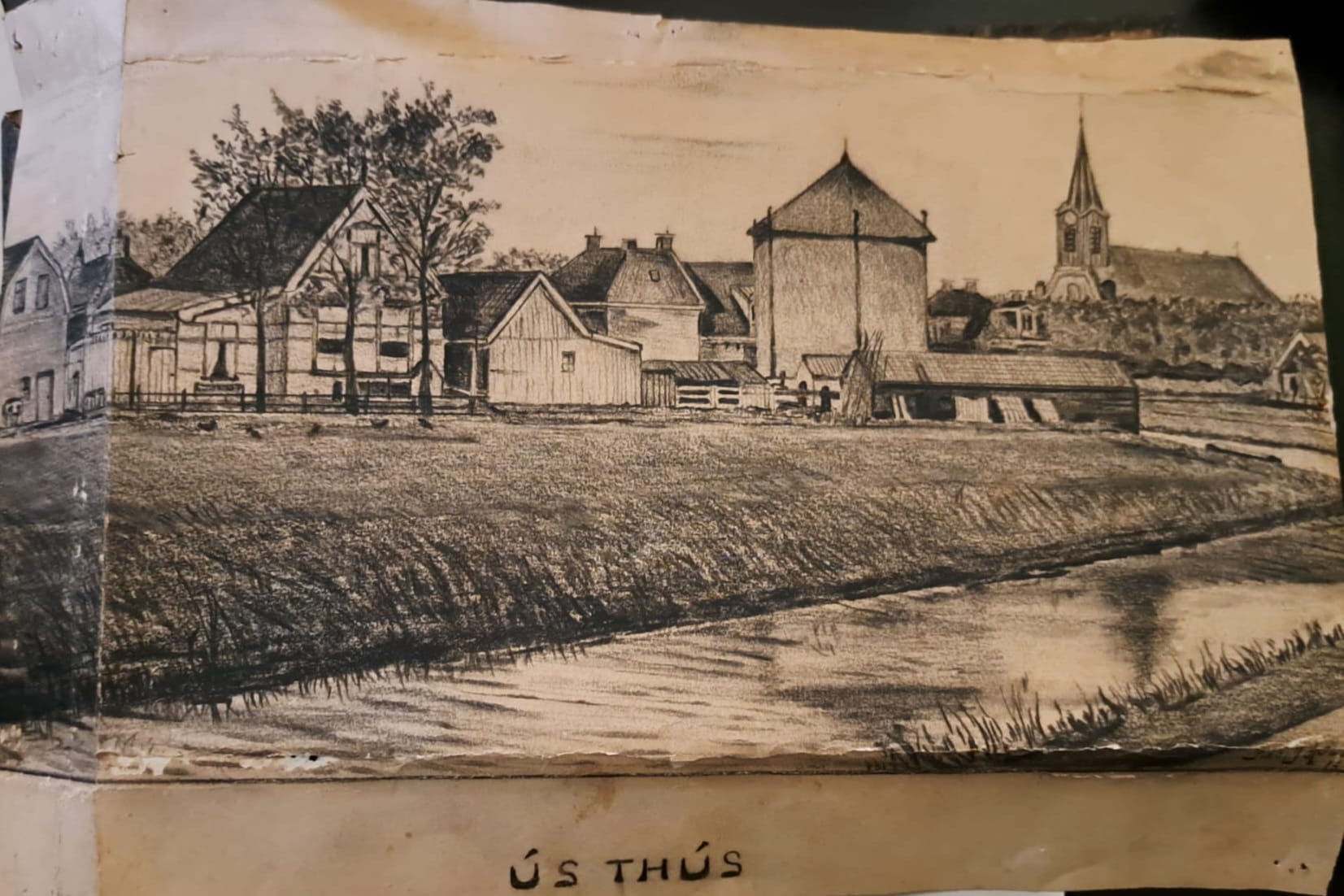
This is a drawing made by Sikke in the 1930s. The drawing depicts the Lyspôlle in Oudega (-W.) with the church in the background. At the bottom of the drawing, in Frisian, it says “Ús Thús” (“our home”).
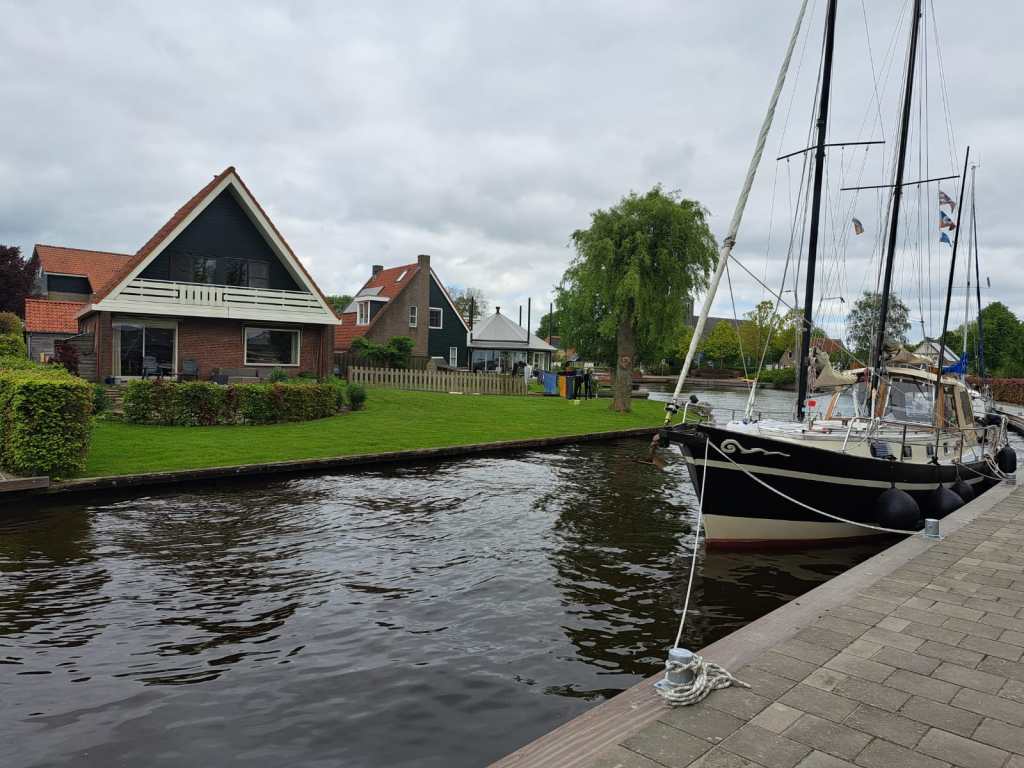
The drawing was made roughly at this position.
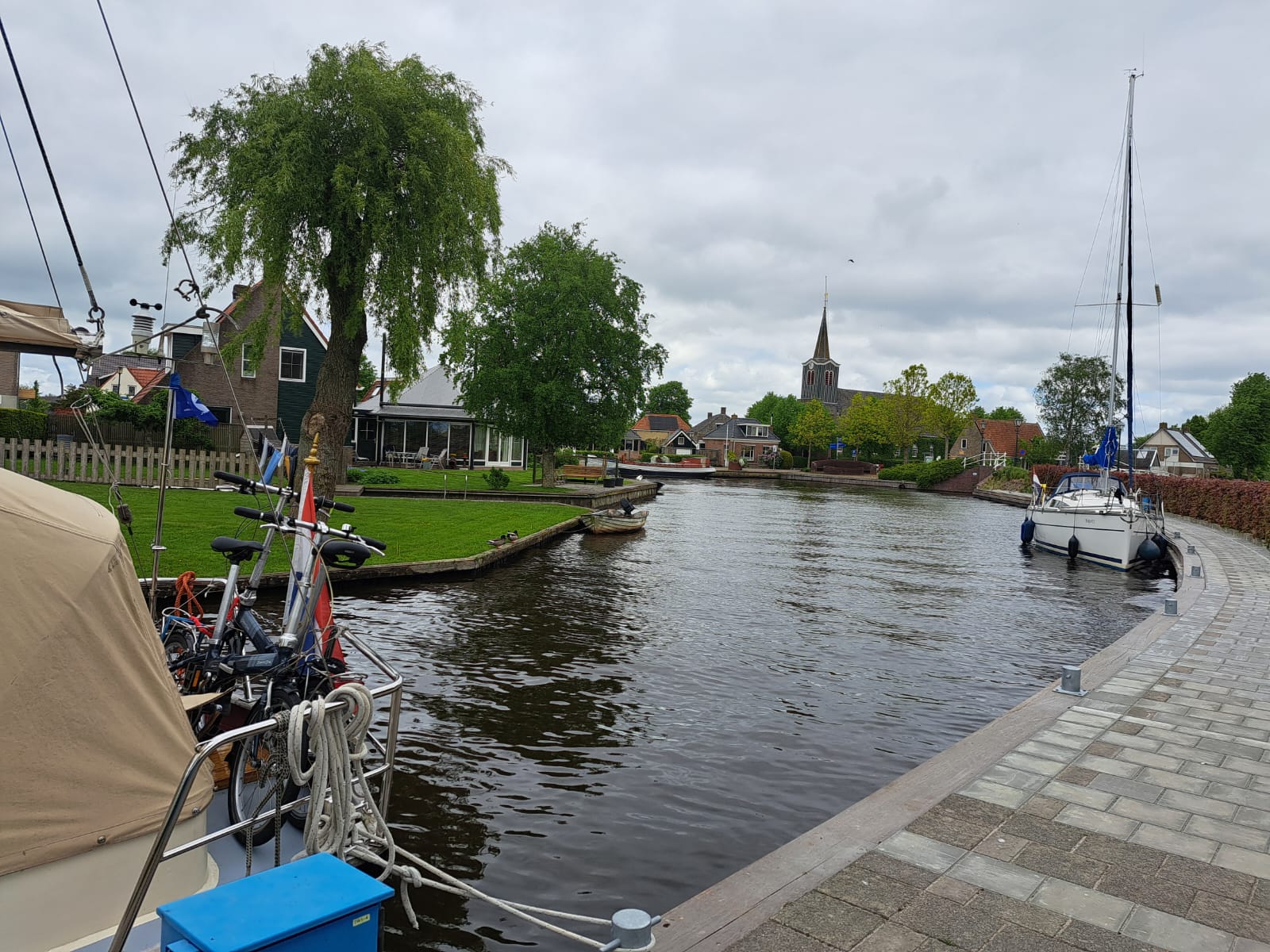
The drawing was made roughly at this position.
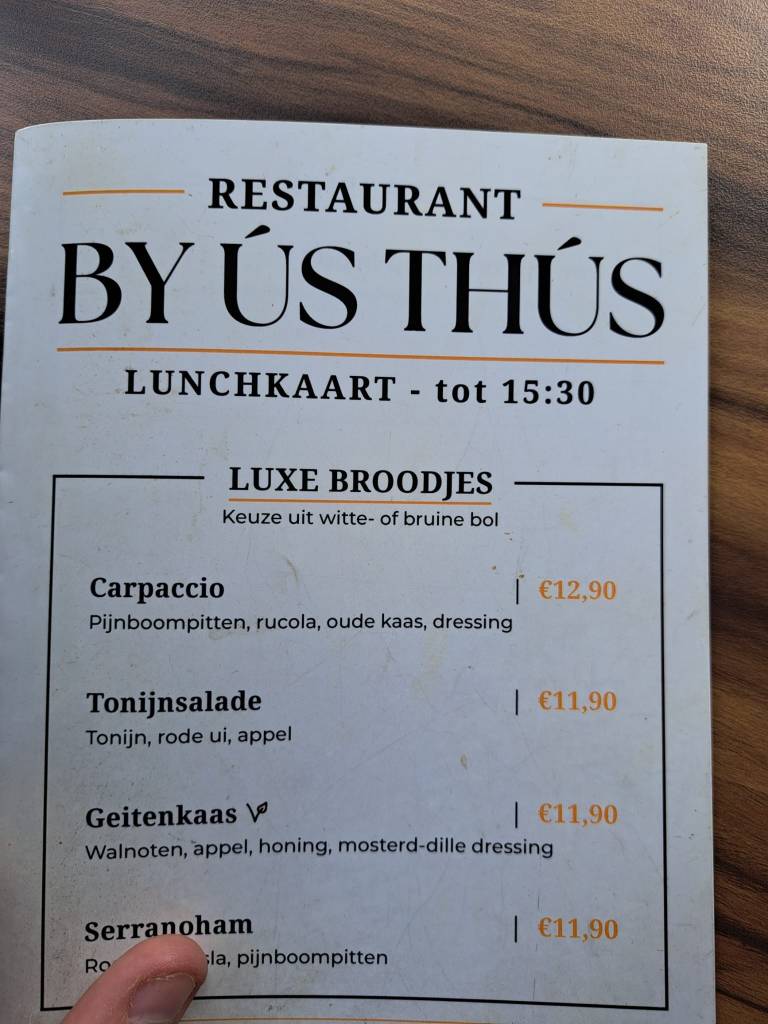
Approximately at the spot where Sikke made his drawing, there is now a restaurant. This restaurant is called ‘By Ús Thús’. The name of the restaurant corresponds to the text beneath Sikke’s drawing: ‘Ús Thús’ (Our home).
Ankertsjerke
The Ankertsjerke is the church where Sikke’s family went on Sundays. Sikke himself probably also spent a lot of time here during his youth.
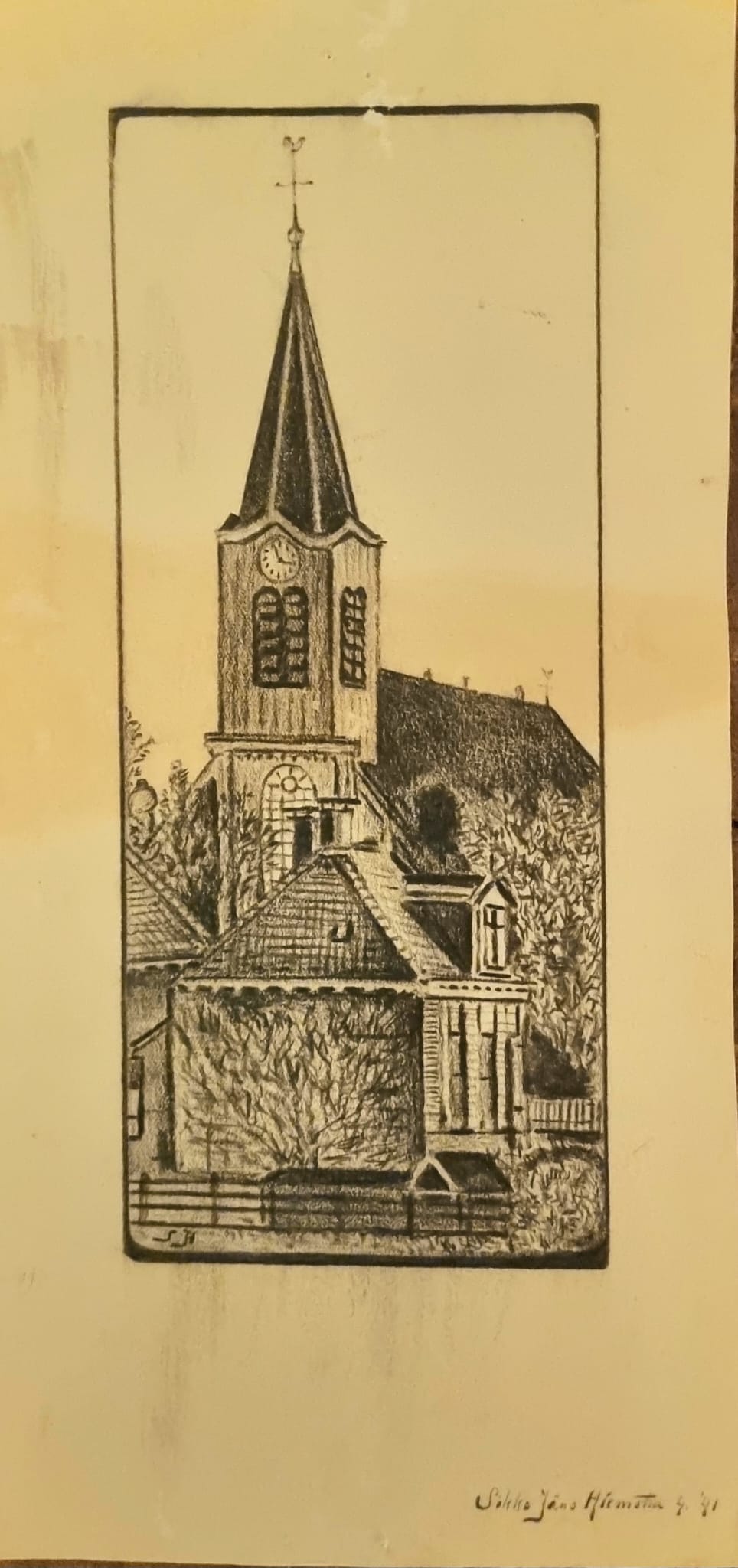
The above image is a drawing of the church in Oudega (W). The drawing shows approximately what the church looked like. This drawing was made by Sikke in 1941.

This is roughly the spot where Sikke made the drawing of the church in 1941.
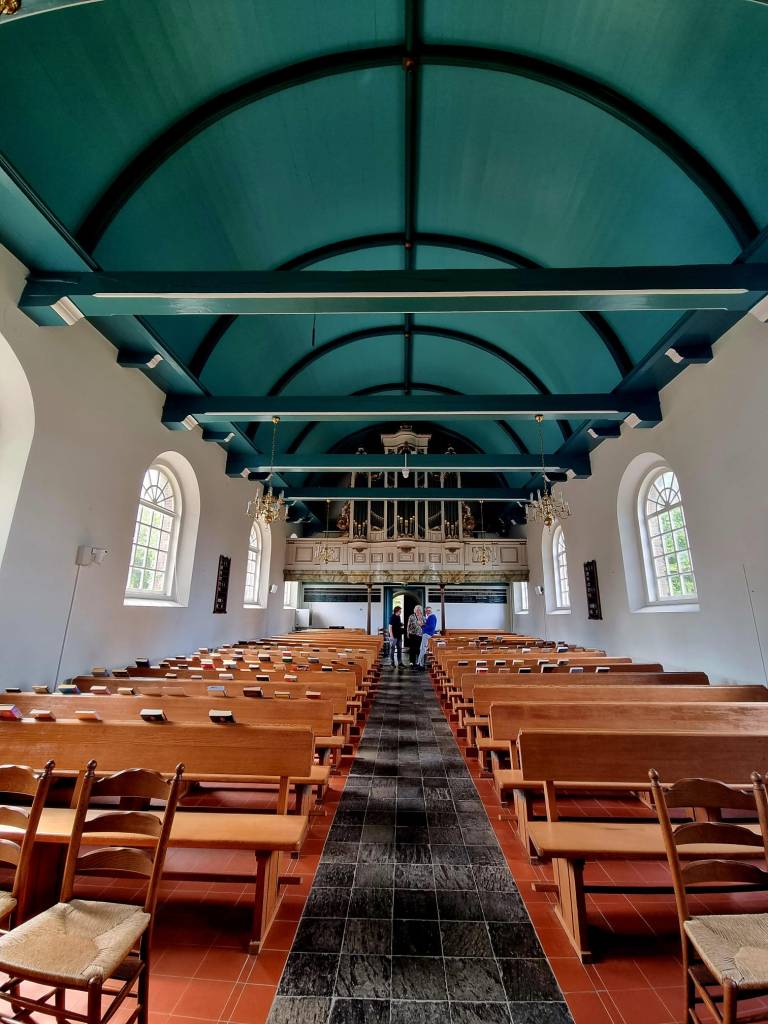
This is the interior of the church. Sikke has probably often sat in these pews for the church service.
Smithy
Sikke had a close connection with his father, Jan Hiemstra, who was a blacksmith by trade and was therefore also called Jan Smith. His smithy was located in Oudega.
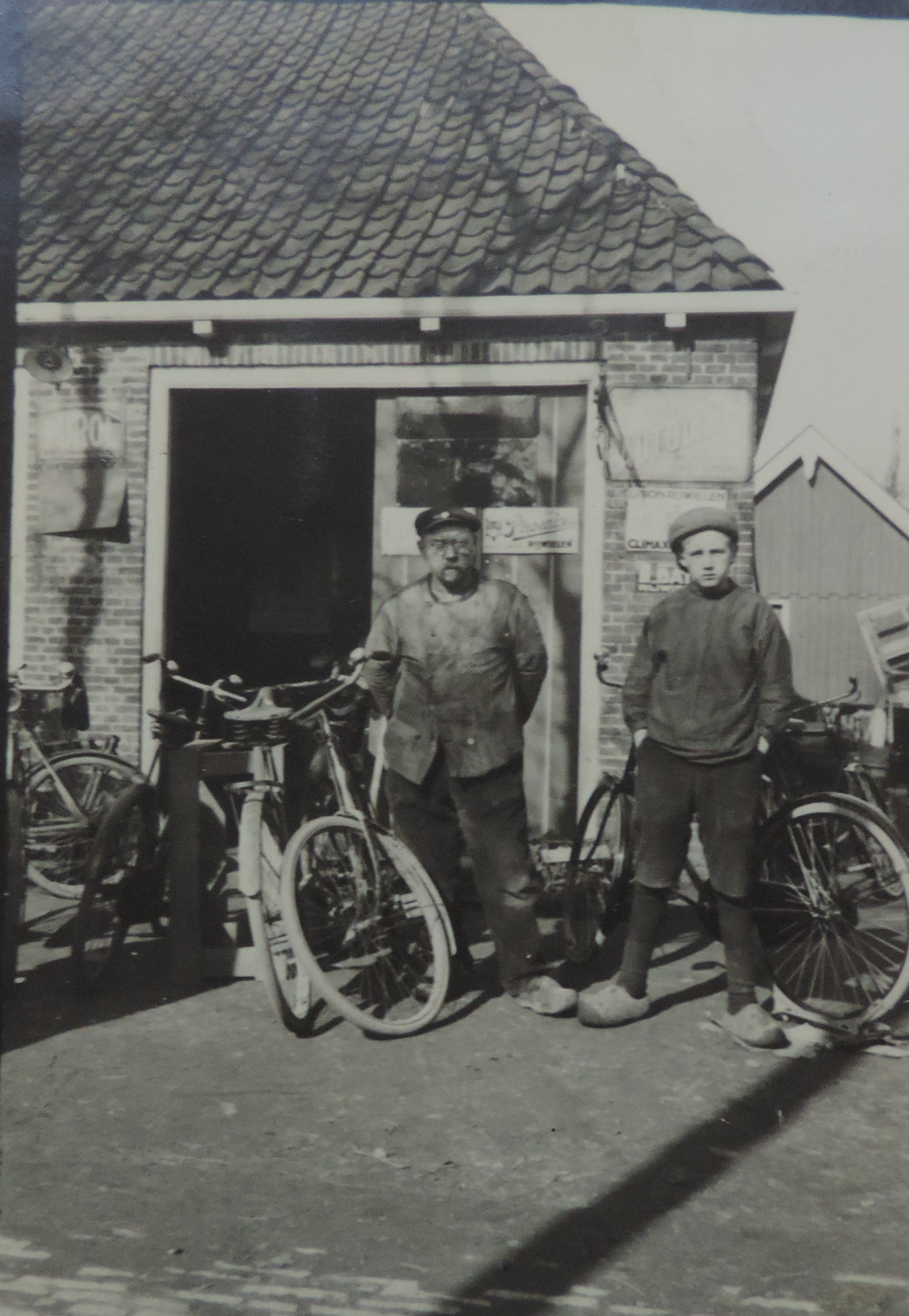
Jan Hiemstra and Fokke Hiemstra (brother of Sikke) in front of the smithy.
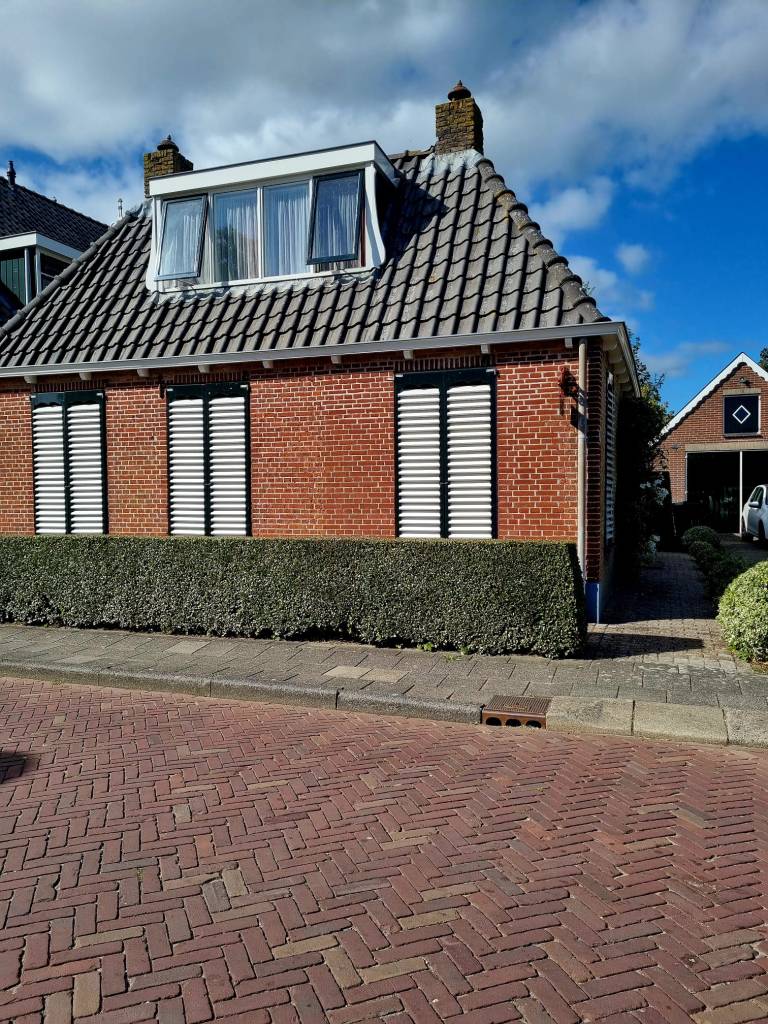
This is the spot where the blacksmith’s shop once stood in Oudega. If you look closely, you can see that the stones, where the door used to be, are slightly different.
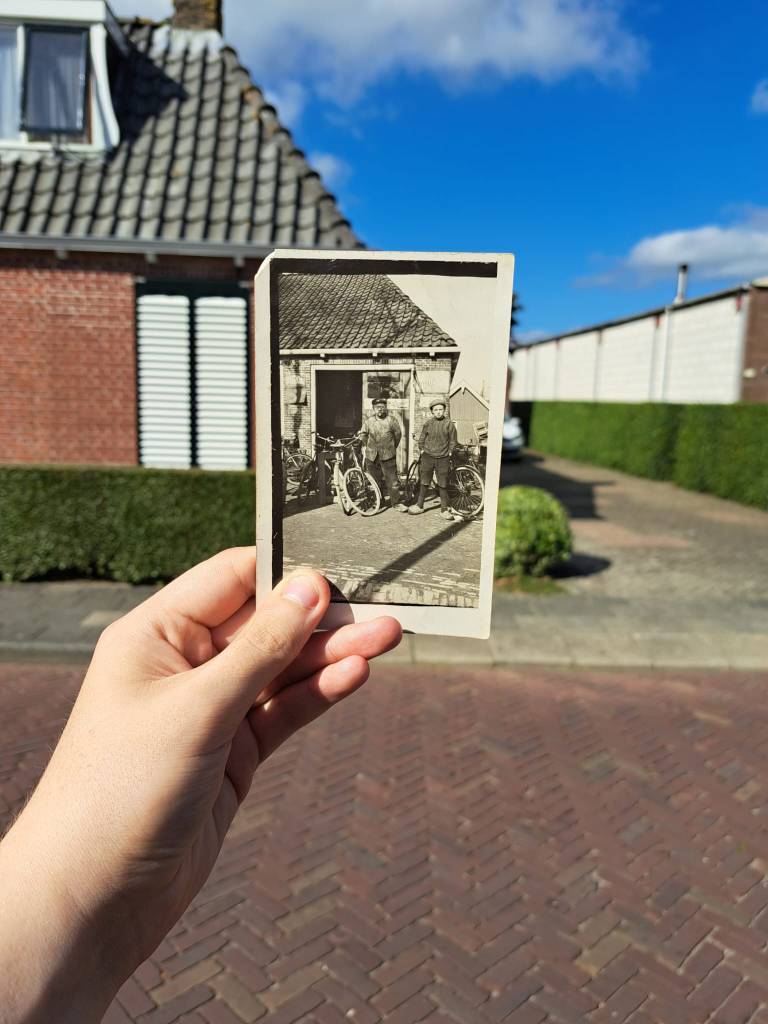
A comparative photo.
lyspôlle
The Lyspôlle was the place where Sikke lived and grew up together with his father, mother, brothers, and sisters.
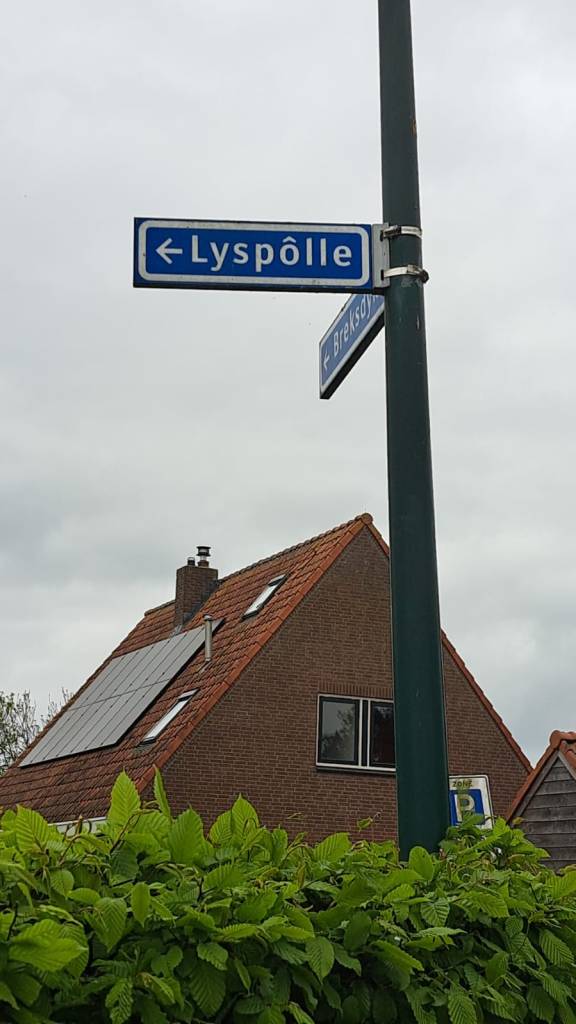
The place where Sikke grew up in Oudega.
Port Natal (Assen)
Although Port Natal is not located in Oudega, it is still important to Sikke’s family history. Sikke’s father, Jan Hiemstra, was betrayed during the war because he owned a radio. He was arrested at home and then taken to the penal camp Port Natal in Assen. Jan Hiemstra stayed there from October 1943 until November or December 1944.
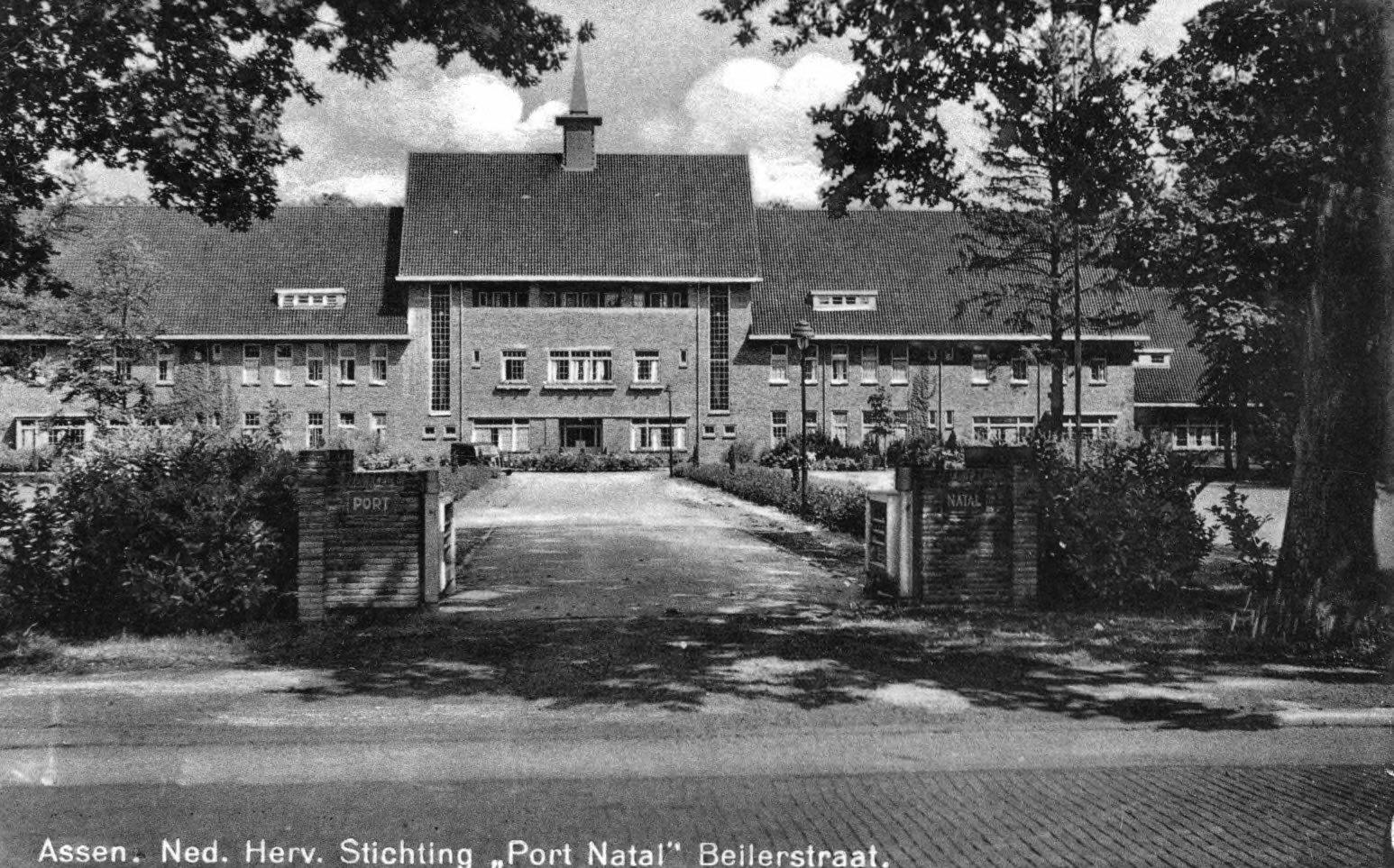
A photo of Port Natal, former sanatorium, in the period 1937–1940.
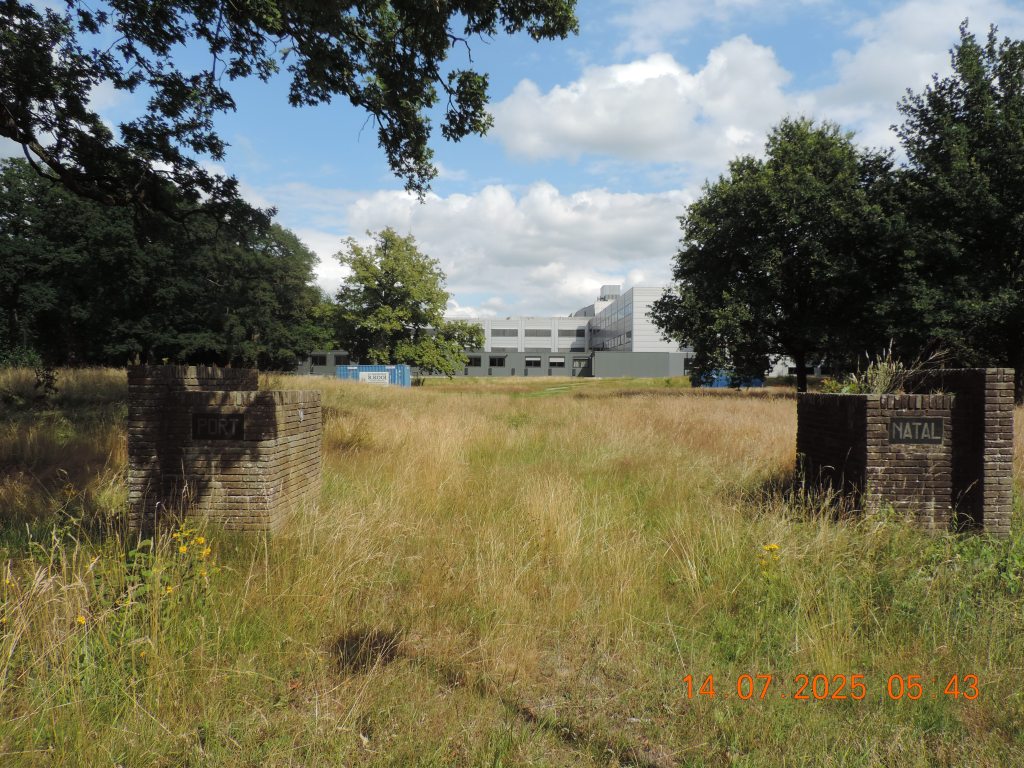
Port Natal has since disappeared, but the stones with the attached plaques reading ‘Port’ and ‘Natal’ still indicate where the entrance to Port Natal once was.
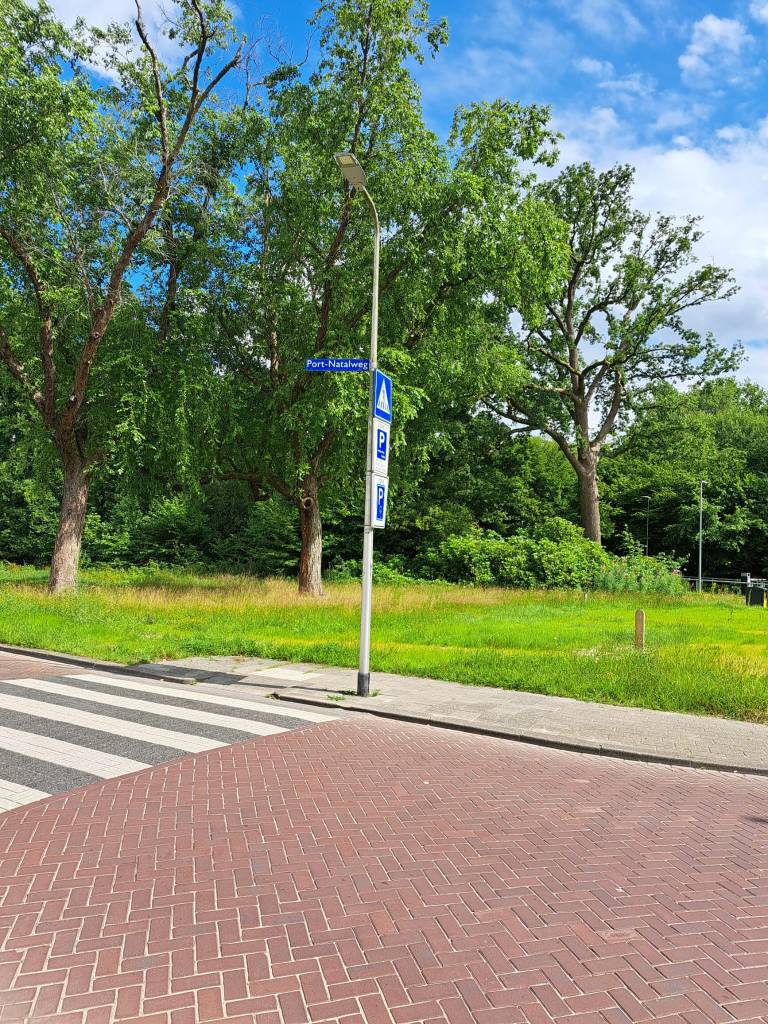
Near the place where Port Natal used to be, there is the Port-Natal Road.
 Soldaat Sikke Hiemstra