The third place where Sikke served was Muiderberg. There, he was part of the first company, first battalion of the 31st Infantry Regiment. He stayed in Muiderberg from April 22 to May 11, 1940. On May 10, Sikke also experienced the German invasion there. The following day, on May 11, he was transferred to Amsterdam. In Amsterdam, after a few days, he learned that the Netherlands had capitulated. Sikke was taken as a prisoner of war and remained stationed there as a POW. On May 30, 1940, he was allowed to return to civilian life. I (Lars) have visited both locations and photographed the places mentioned in Sikke’s diary 85 years later. Below, you can view and compare the photos.
Muiderberg
Fort Coehoorn
Fort Coehoorn was a fort near Muiderberg that was originally intended to be part of the Defence Line of Amsterdam. Construction of the fort came to a halt after World War I. Nevertheless, prior to World War II, barracks and a shed were built on the fort grounds due to rising tensions.
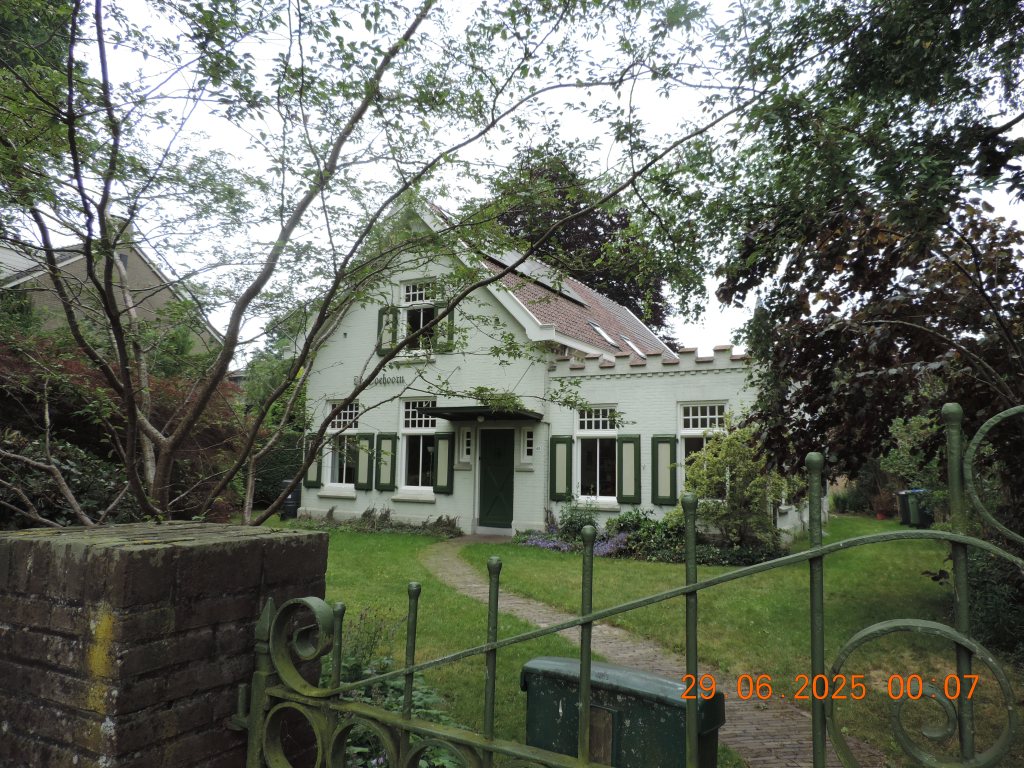
The Fort Keeper’s House is the only remaining structure of Fort Coehoorn. Behind the Fort Keeper’s House, there used to be barracks for soldiers, but it has now become a residential neighborhood.
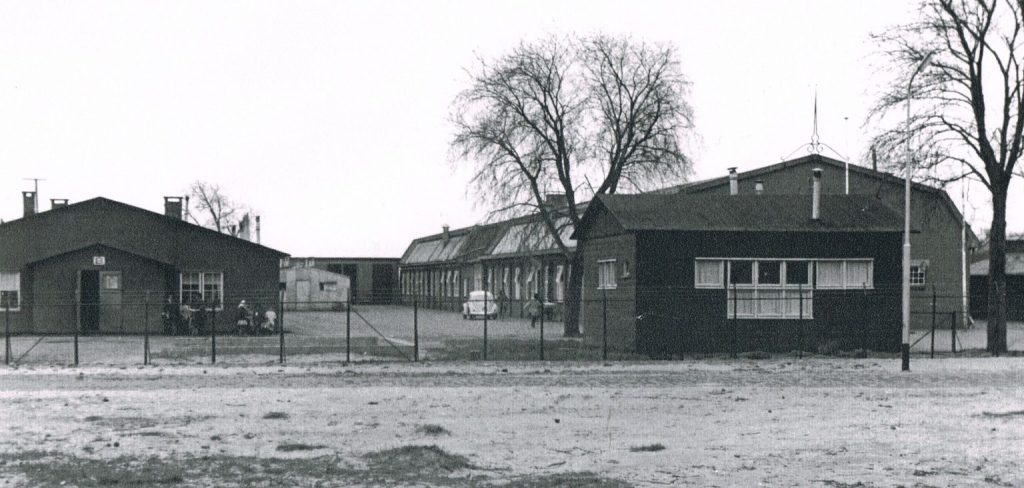
These were the barracks behind the Fort Warden’s house, where Sikke was stationed in a shed. After the war, Moluccan professional soldiers and their families were housed here. Today, this place is a residential neighborhood.
Dorpswei
De Dorpswei was the place where SC Muiderberg played football. This meadow is located opposite the fort keeper’s house of Fort Coehoorn, where Sikke was stationed. Due to the proximity of the football field, the soldiers of the 31st regiment also played there regularly. Sikke wrote about this several times in his diary.
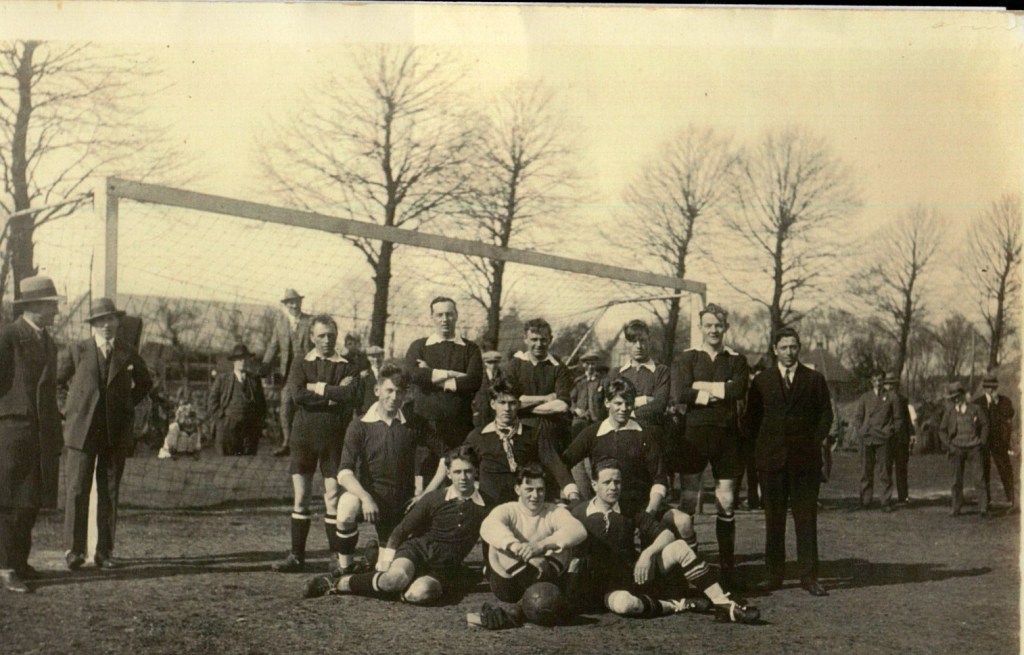
In this historic photo, the goal is visible on one side of the field.
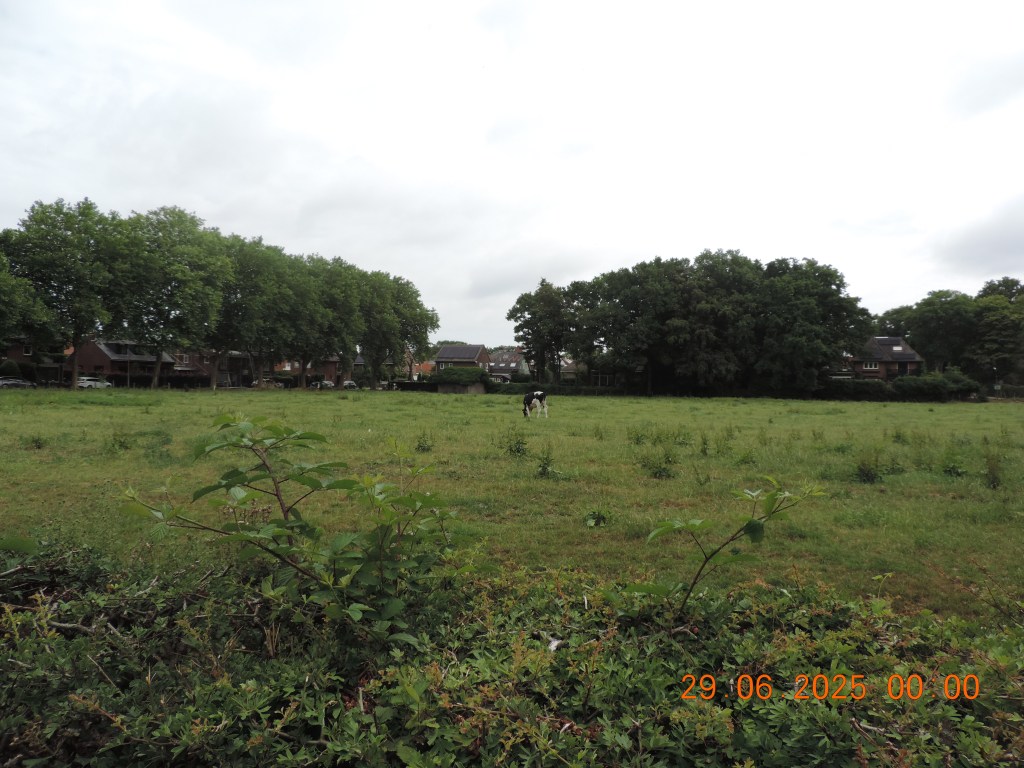
This is a recent photo and shows approximately where the goal was located on the football field. The trees on the left side are still in the same place. The goal stood somewhere around that spot
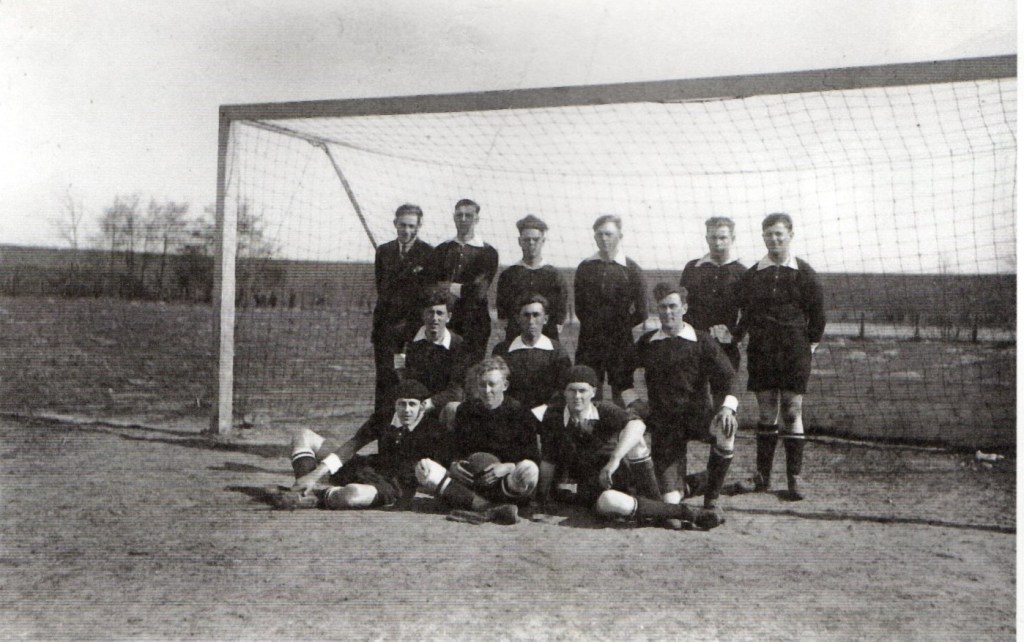
In this historic photo, the goal is visible on other side of the field.
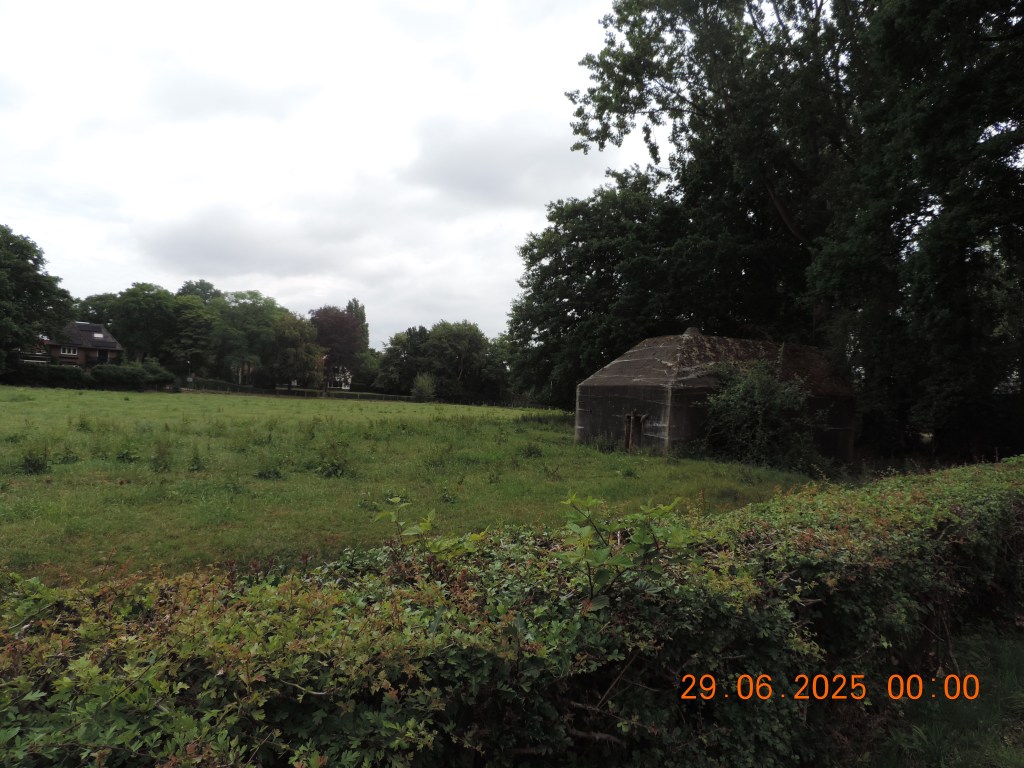
This is a recent photo and shows approximately where the goal was located on the other side of the field. The Group Shelter type P was probably built just before the German invasion. It is quite striking that a group shelter was constructed on an active football field. This clearly illustrates how, during the mobilization of 1939–1940, society had to make way for defense.
Positions
On May 10, 1940, the Netherlands was attacked by Nazi Germany. In his diary, Sikke wrote that he took up positions behind the barracks. Thanks to military maps from that time, we now have a rough idea of where those positions were located.
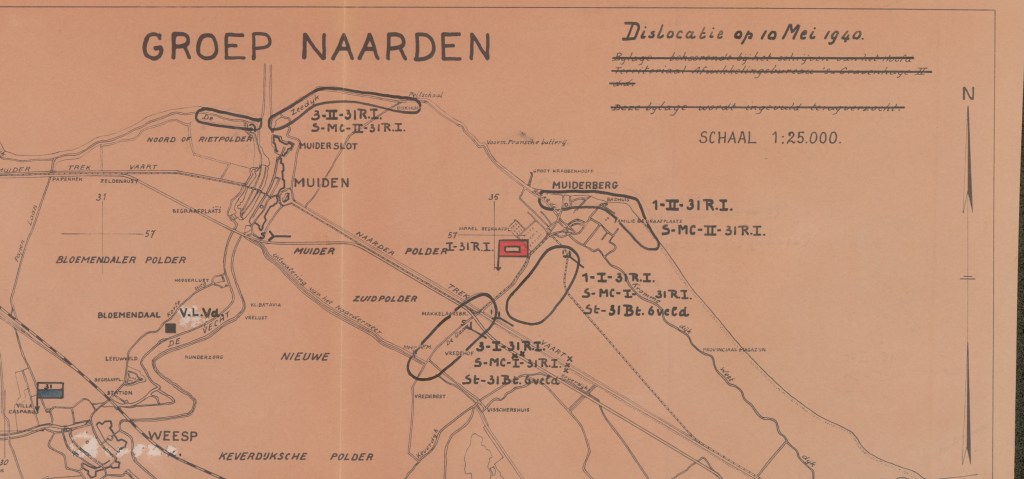
This is a military map of the situation on May 10, 1940, in the area around Muiderberg. The map also shows the positions held by Sikke’s company (1-I-31 R.I.).
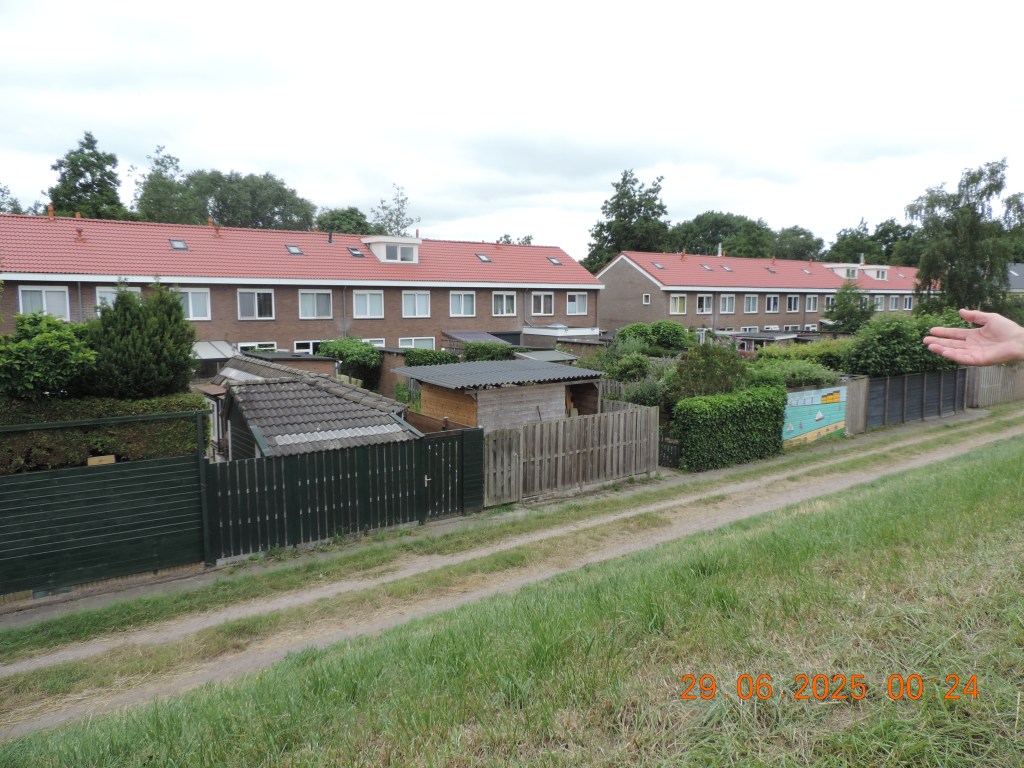
This is the location where the positions were roughly situated on May 10, 1940. Today, it is a residential neighborhood.
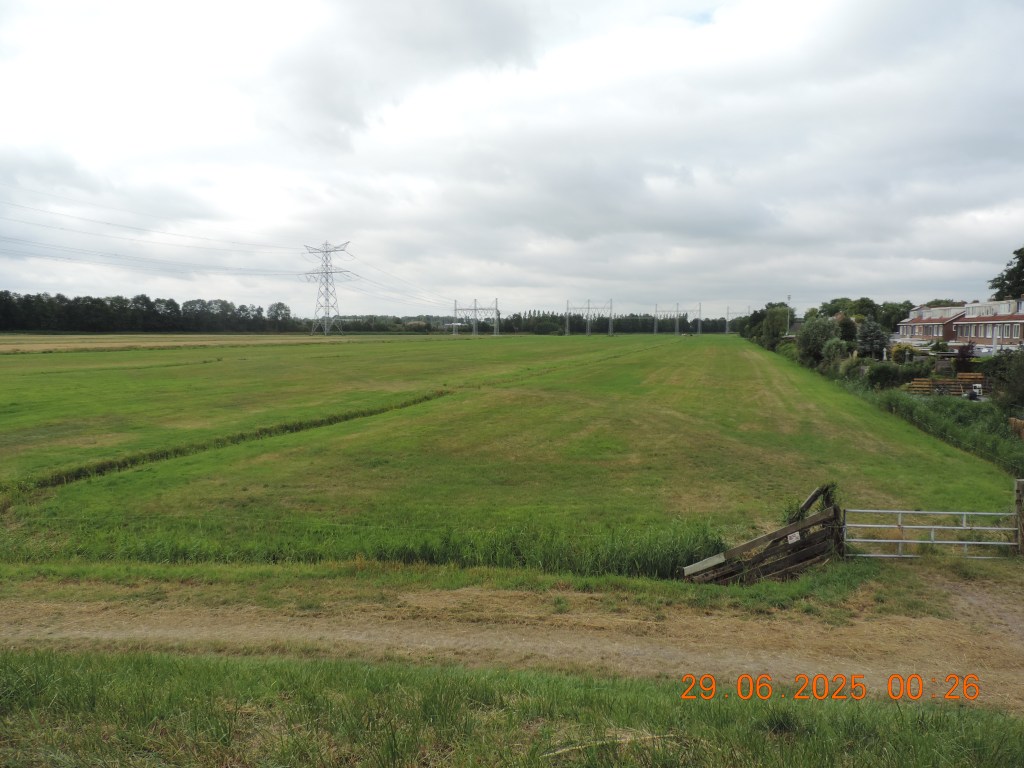
On the right were the positions occupied by Sikke’s company (today, houses stand on that spot). From these positions, he could look out over the landscape and probably saw the German planes approaching.
Hotel het Rechthuis
Hotel het Rechthuis was the place where Sikke regularly stood watch. After all, the road next to the hotel provided access to Muiderberg.
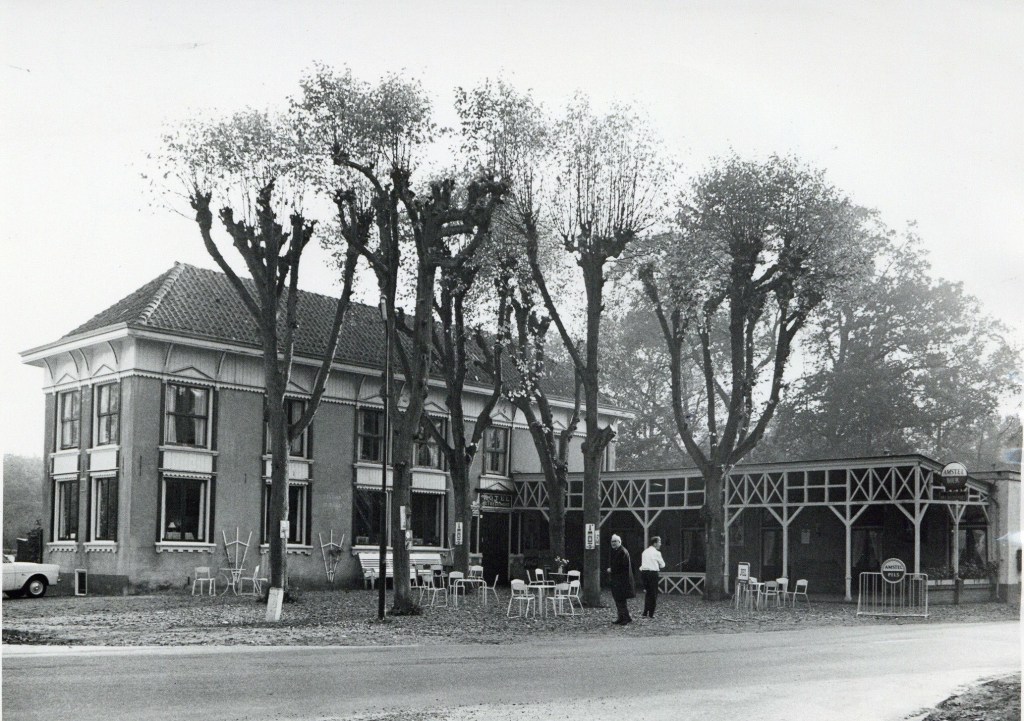
This is a post-war photo of Hotel Het Rechthuis, the place where Sikke stood guard several times.

This is a recent photo of Hotel het Rechthuis.
Church by the sea
Sikke also visited the church in Muiderberg since he was a religious man.

This is a photo, taken from the beach, of the church that Sikke visited in Muiderberg.
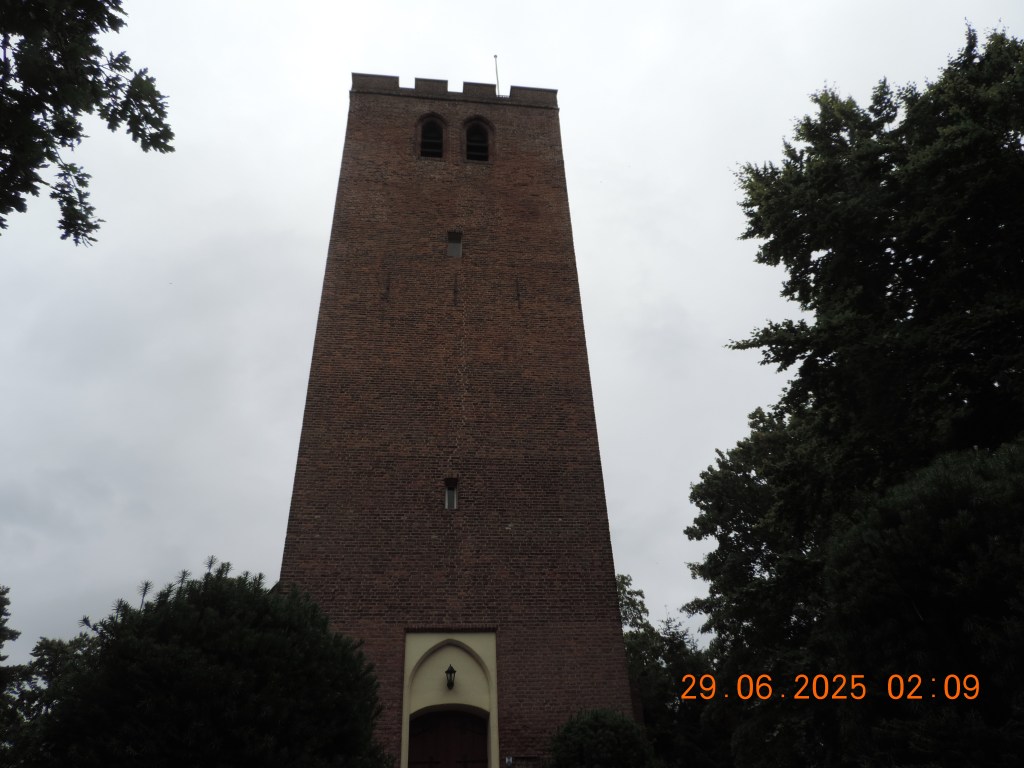
This is a recent photo of the church. The iconic tower has remained the same.
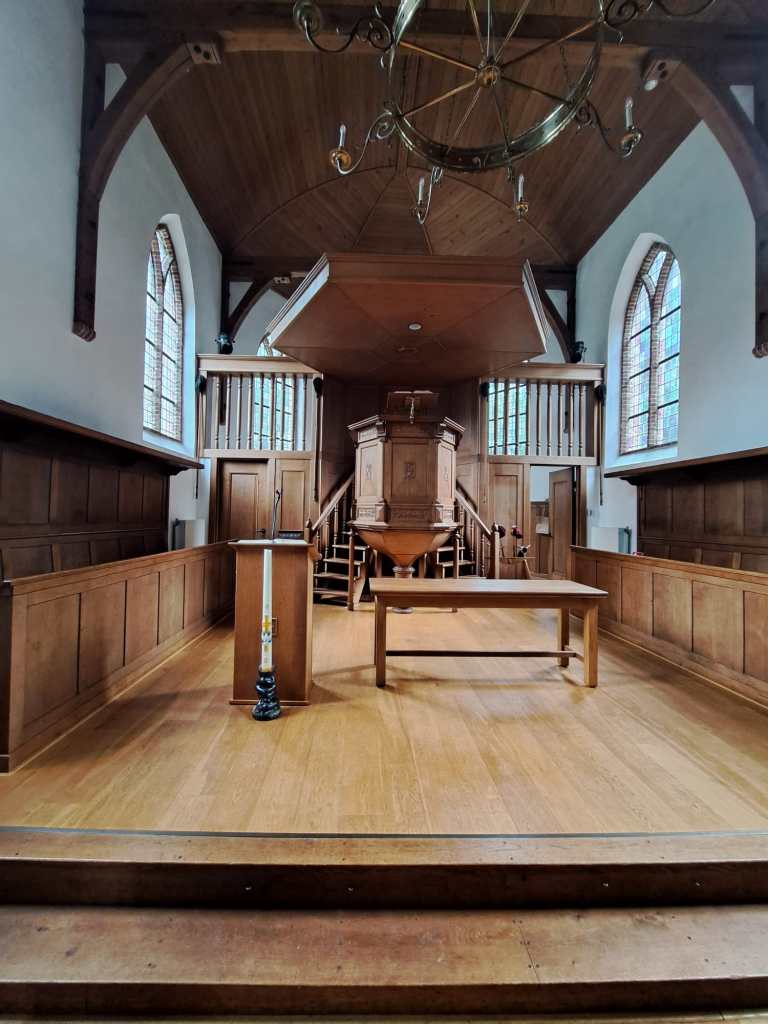
This is a recent photo of the interior of the church.
Beach
Sikke regularly walked along the beach of Muiderberg.
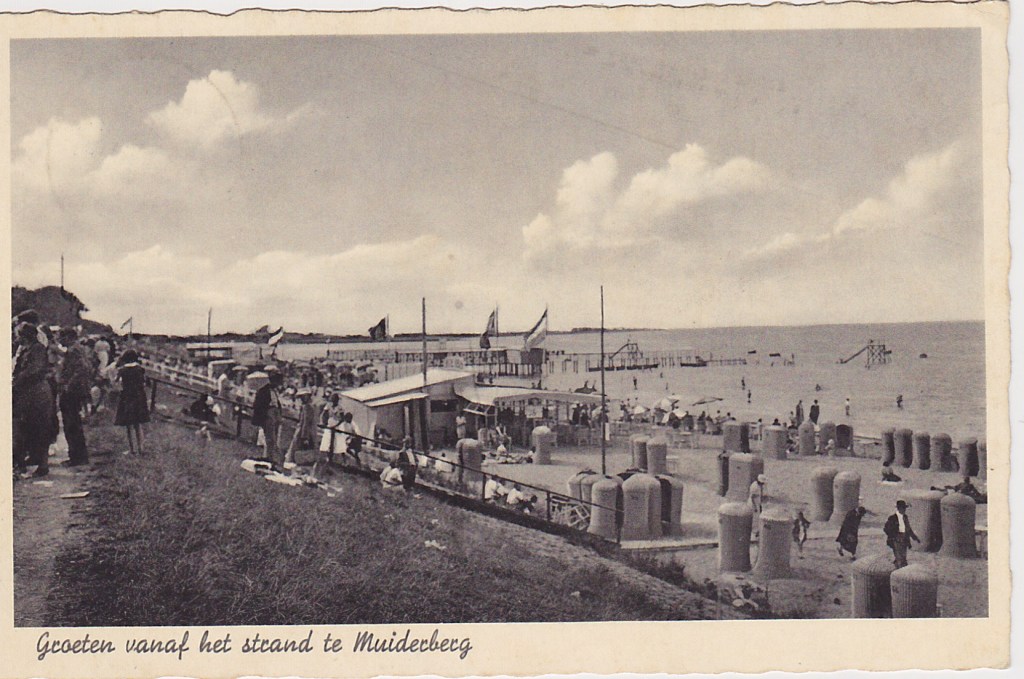
This photo shows the beach around 1939.
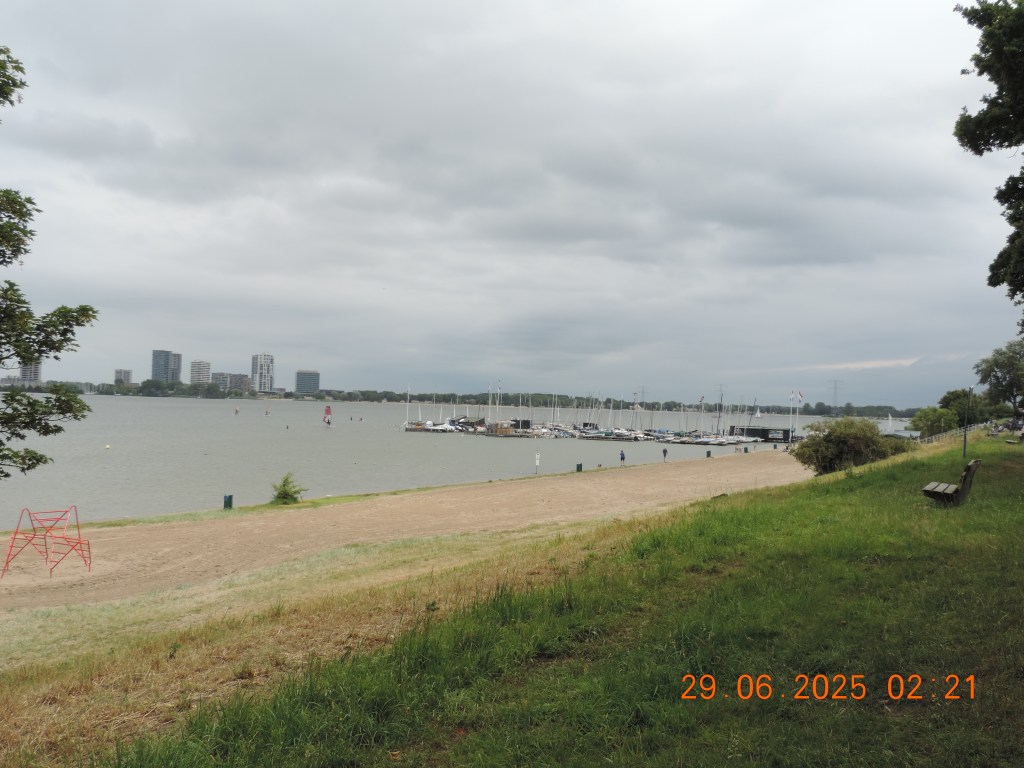
This is a picture from the same beach today.
Amsterdam
Sportfondsenbath
Sikke’s company regularly went to the Sportfondsenbath in Amsterdam to bathe and swim. This first occurred when they were stationed at Fort Uitermeer (from October 7, 1939, to April 22, 1940) and later when they were prisoners of war in Amsterdam. The swimming pool has a rich history, as it has existed since 1929.

This is roughly what the Sportfondsenbad looked like when Sikke took a dive there with his fellow servicemen.
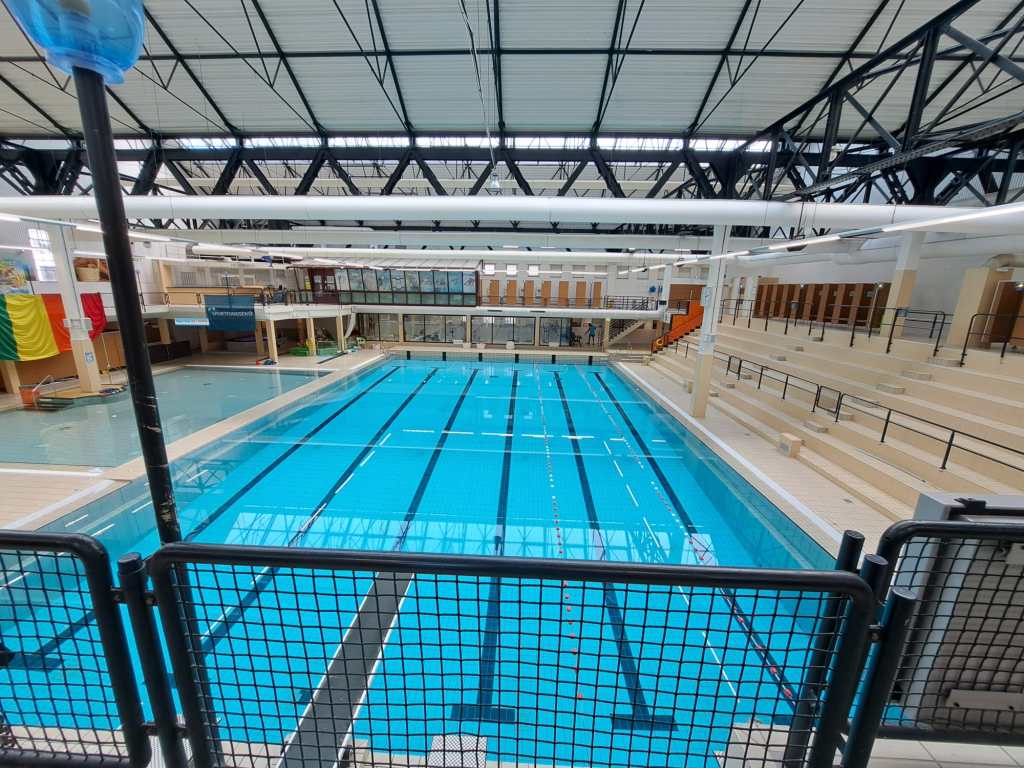
This is how the Sportfondsenbath looks like today.
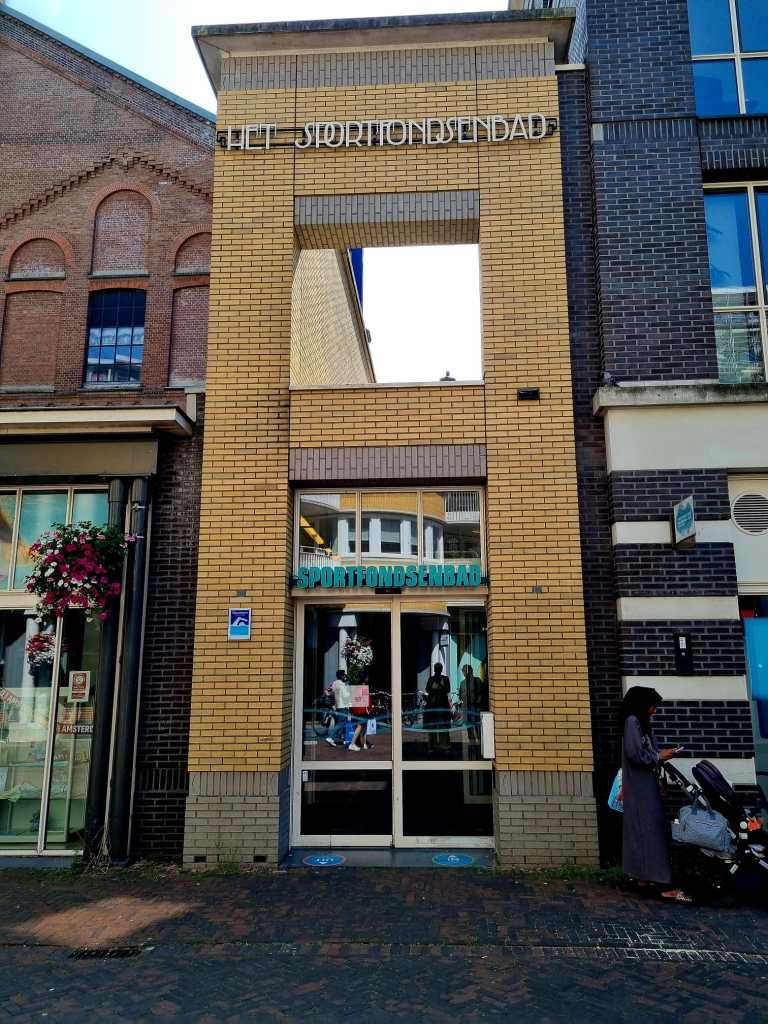
This is the entrance of the Sportfondsenbad. The Sportfondsenbad was opened in 1929, making it one of the oldest swimming pools in Amsterdam, located in Amsterdam-East.
Forgotten bombardment
On May 11, 1940, a bombing took place in Amsterdam at the Blauwburgwal and the corner of the Herengracht. Around 44 people were killed and 79 were injured. In addition, 14 buildings were destroyed. Although Sikke was not in the vicinity of this bombing, he did write about it in his diary. After all, the bombing occurred in the city he was supposed to defend. This event disappeared from the collective memory for a long time, until a researcher began to pay more attention to it.
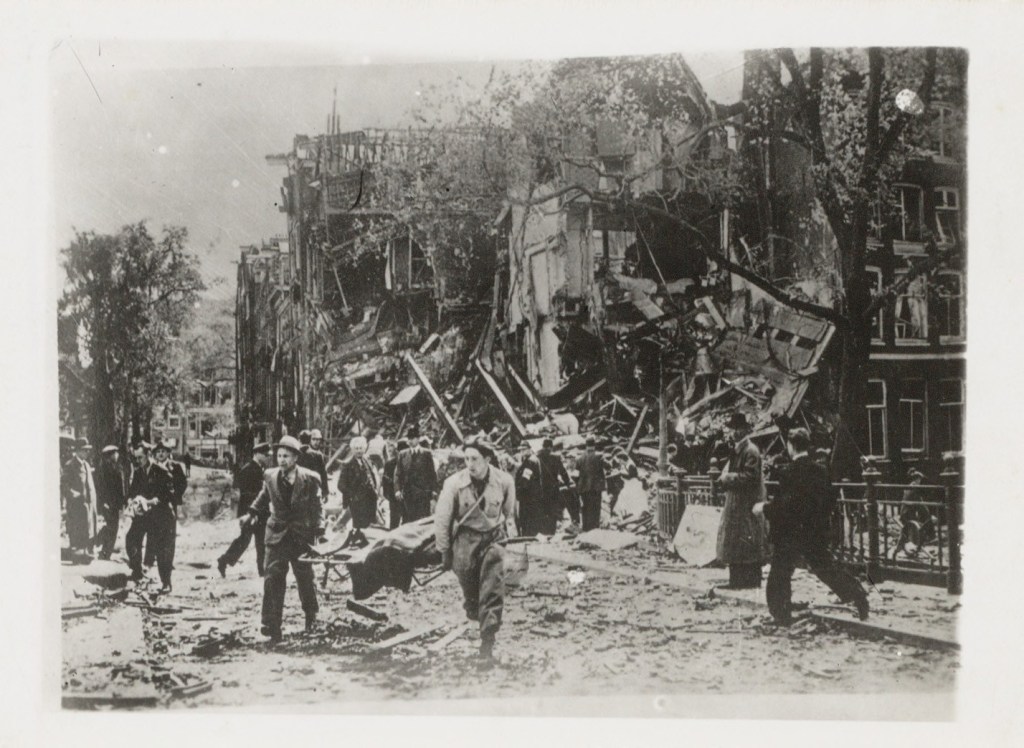
A photo of the bombing at the Blauwburgwal. There are two explanations for this bombing. According to the first explanation, a German bomber had Schiphol as its target. However, the aircraft was hit by Dutch anti-aircraft guns, causing the bombs to be dropped over Amsterdam to lighten the load. Another explanation is that the old post office behind the Royal Palace on Dam Square was the actual target, as it housed the communication center of the Dutch army.
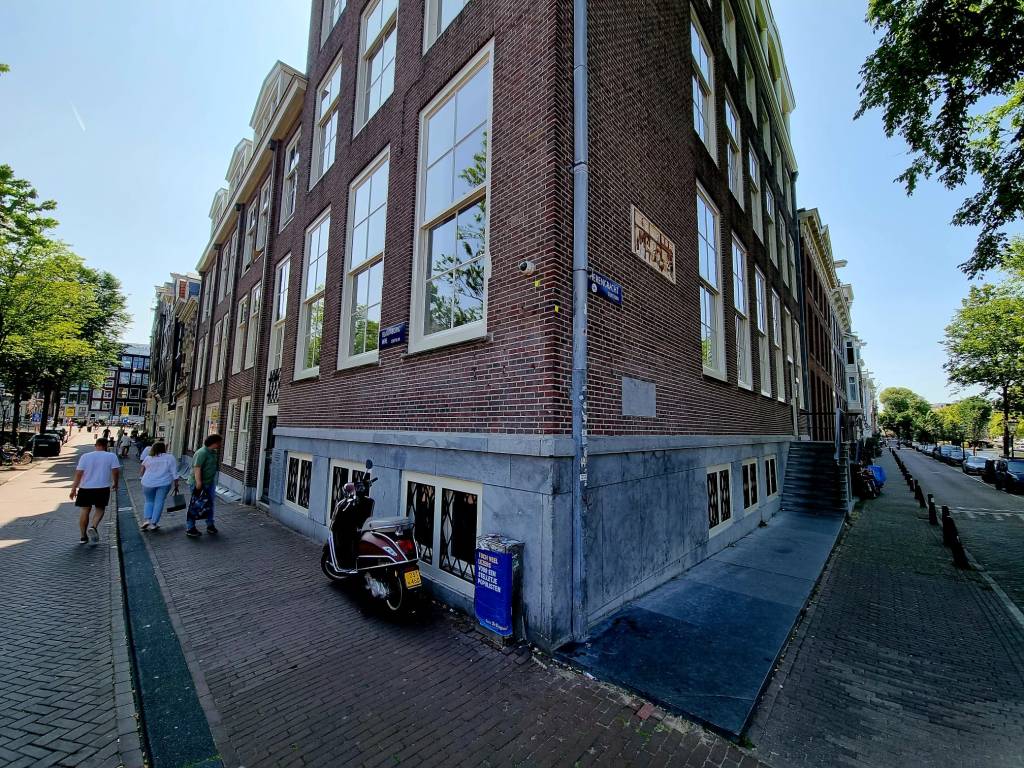
This is the same place where the bombardment took place.
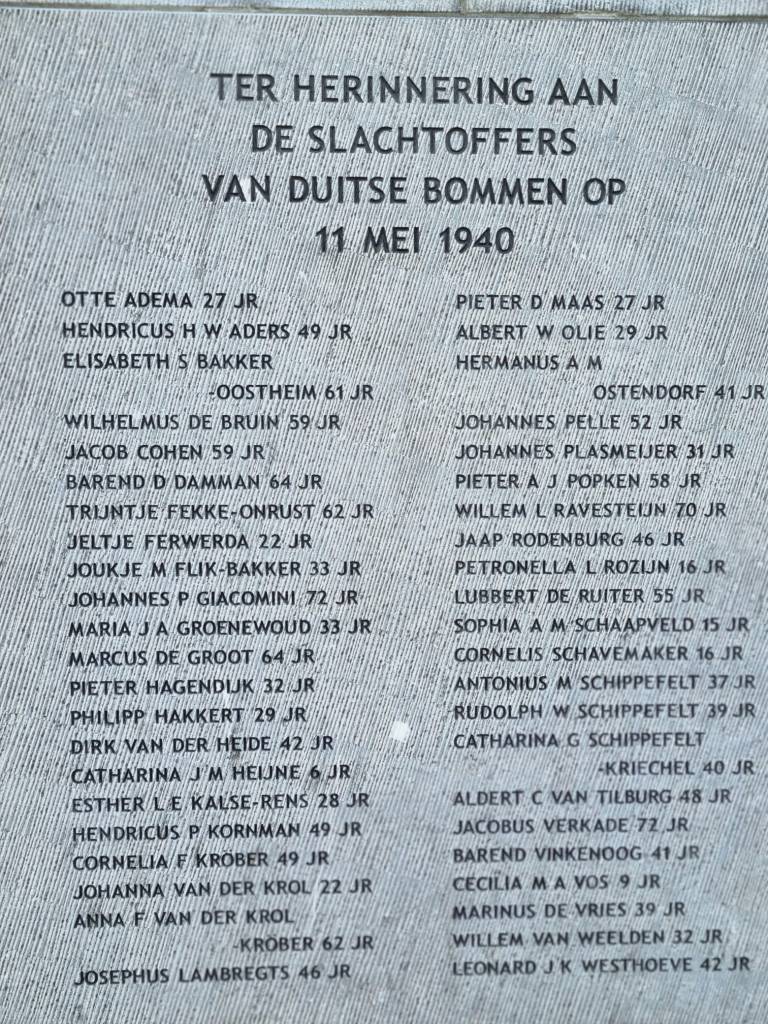
Nowadays, at the site where the bombing took place, there is a memorial stone bearing the names of the victims.
Willem I-Sluis
On May 14, 1940, Sikke had to stand guard at the Willem I-Sluis. It was at this location that he learned that the Netherlands would surrender.
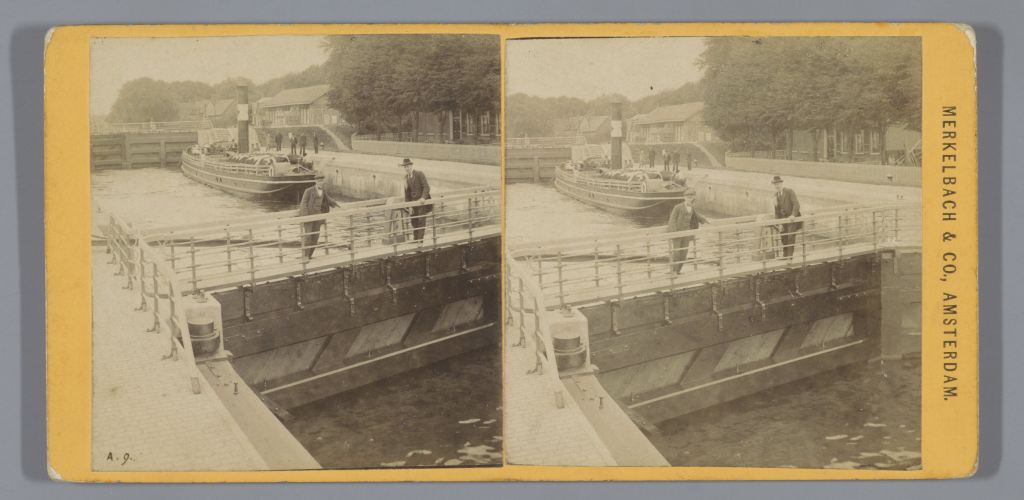
This is a photo of the Willemsluis. This was the place where Sikke heard that the Netherlands had surrendered.
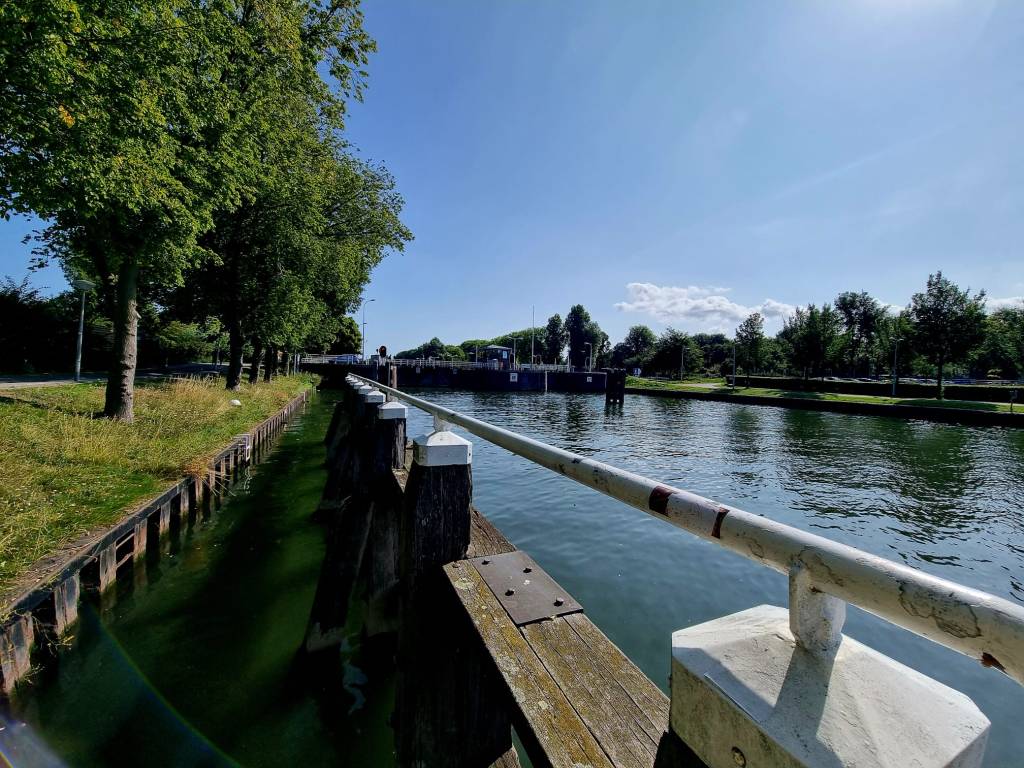
This is a recent photo of the same sluis.
Prinses Beatrixschool & Frans Halsschool
After the Netherlands surrendered, Sikke was transferred to the Princess Beatrix School. There, he was taken as a prisoner of war and had to hand in his weapon. He was then moved to the Frans Hals School, where he remained a prisoner of war until May 30, 1940.
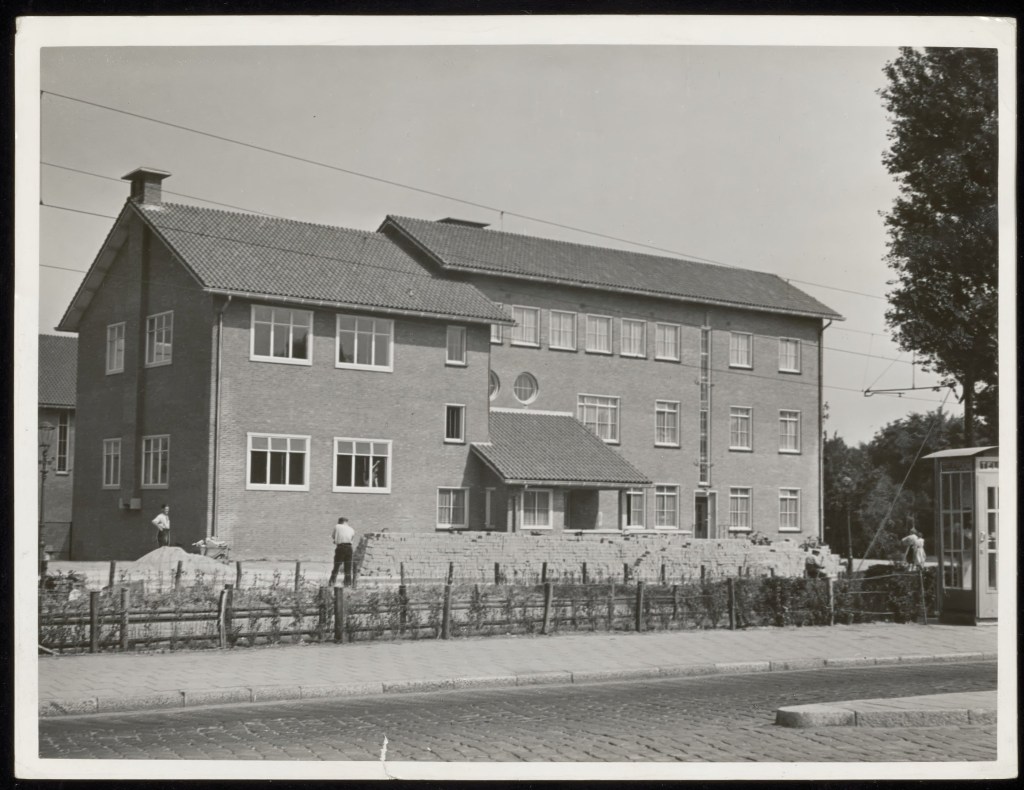
The Beatrix School (see photo above) was the place where Sikke’s company spent the night and handed in their weapons.

The Prinses Beatrix School no longer exists. Nowadays, the Kairos Teen College is located here.
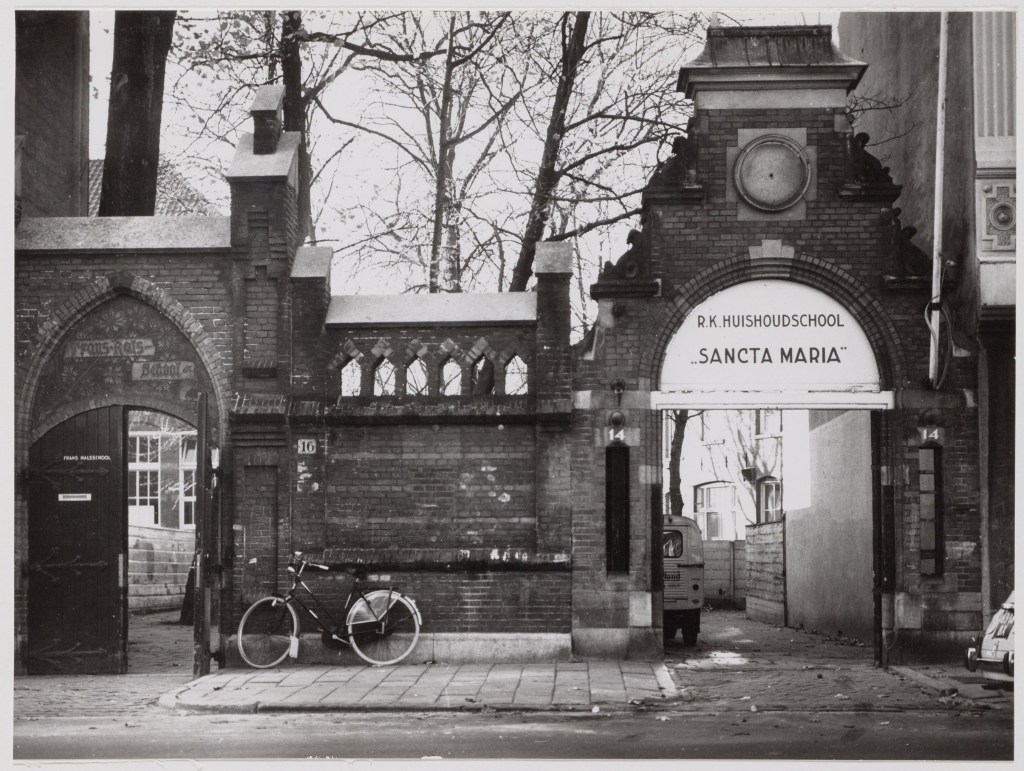
This is a photo that was taken after the war. On the left, the gate of the Frans Hals School can be seen.
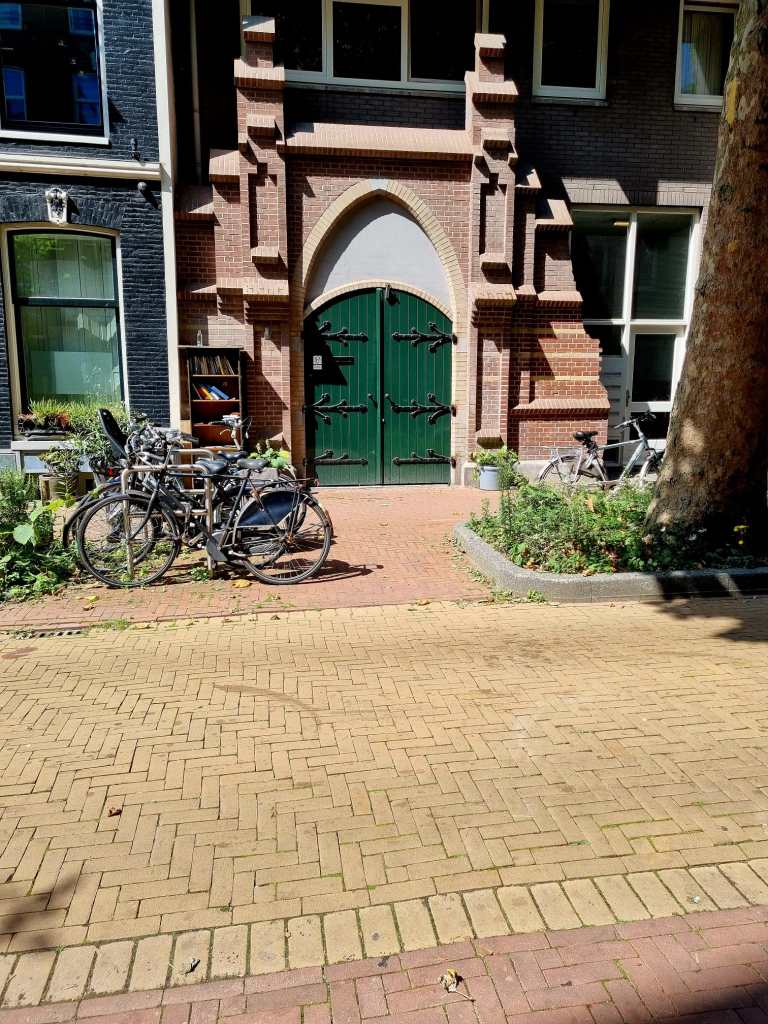
Nowadays, the Frans Halsschool no longer exists, and the former school has been replaced by housing. However, the gate can still be recognized. This was the place where Sikke spent his captivity in May 1940.
Old Church & Muiderchurch
On the first Sunday since the Dutch surrender, Sikke attended two church services. One service was at the Oude Kerk, and the second service was at the Muiderkerk. Both services made a profound impression on Sikke and gave him a sense of peace. This is understandable since he had spent the previous days helping to defend Amsterdam.
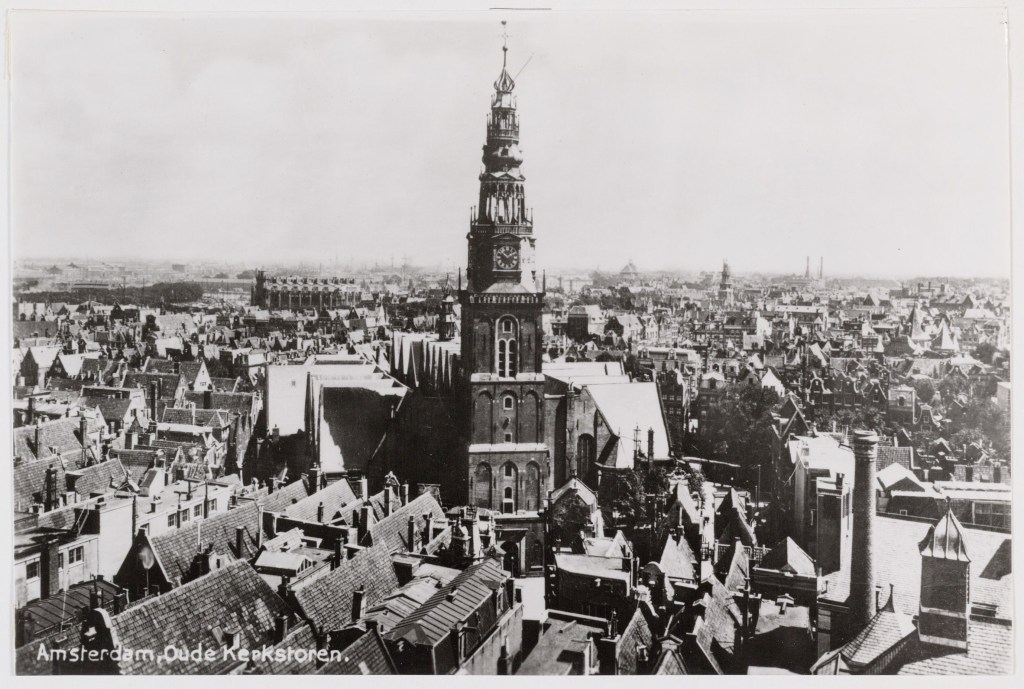
This is a photo of the Oude Kerk, the first church that Sikke visited as a prisoner of war.
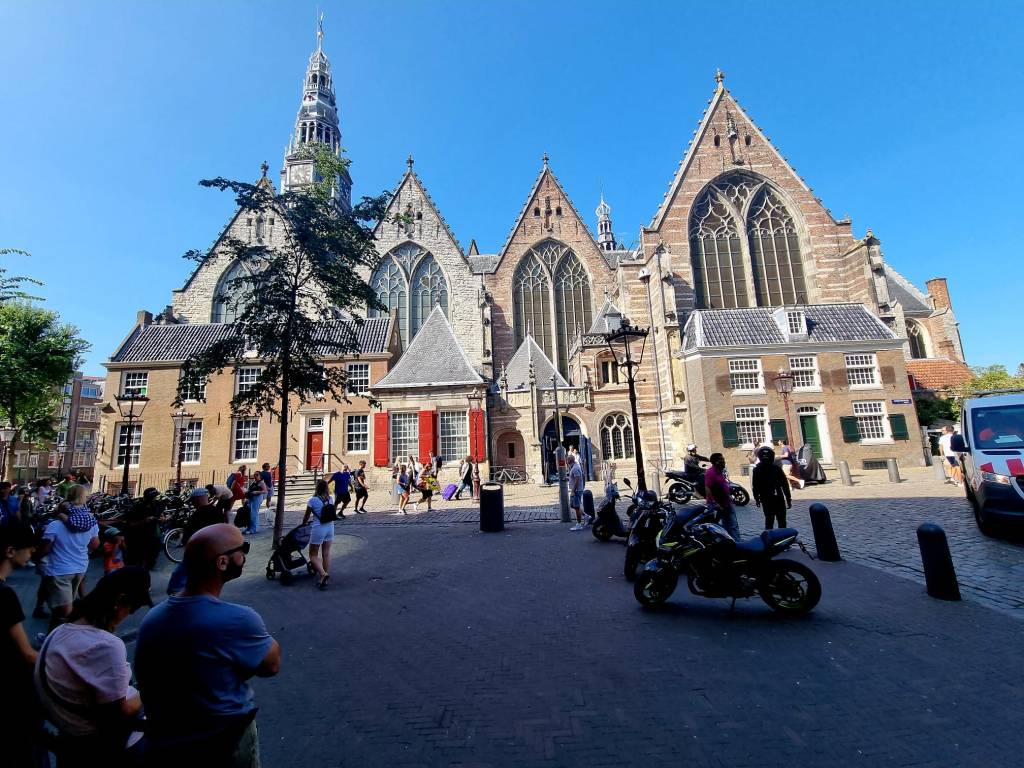
Nowadays, the Old Church is a tourist attraction.
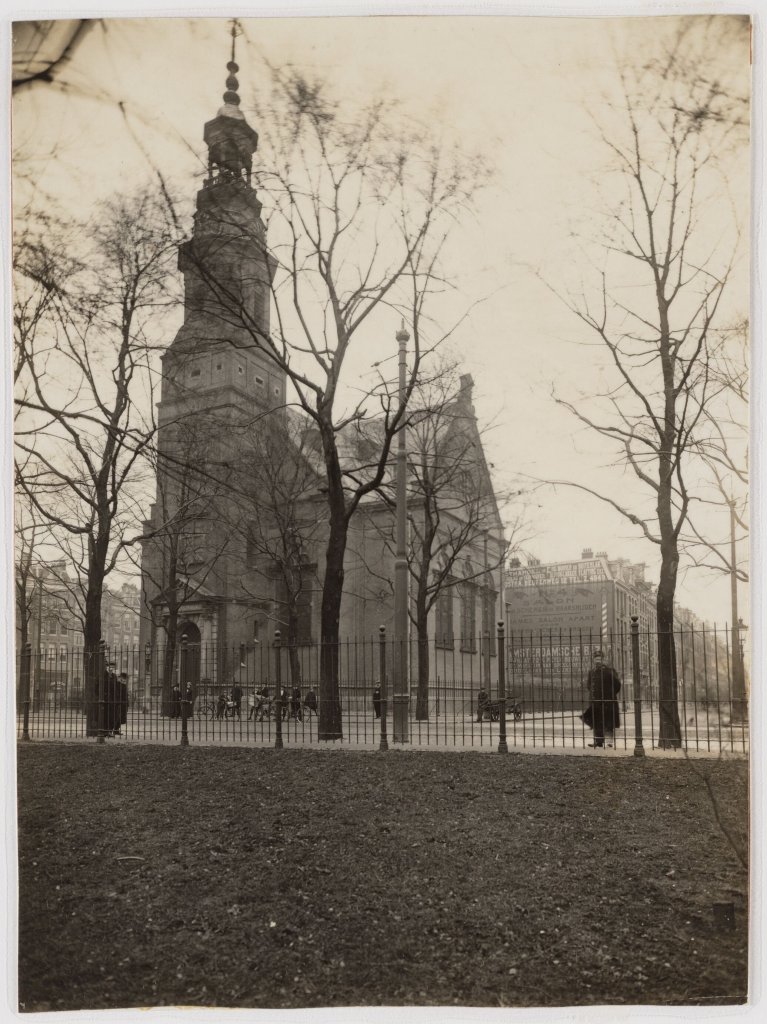
This photo shows the Muider Church, the second church that Sikke visited.
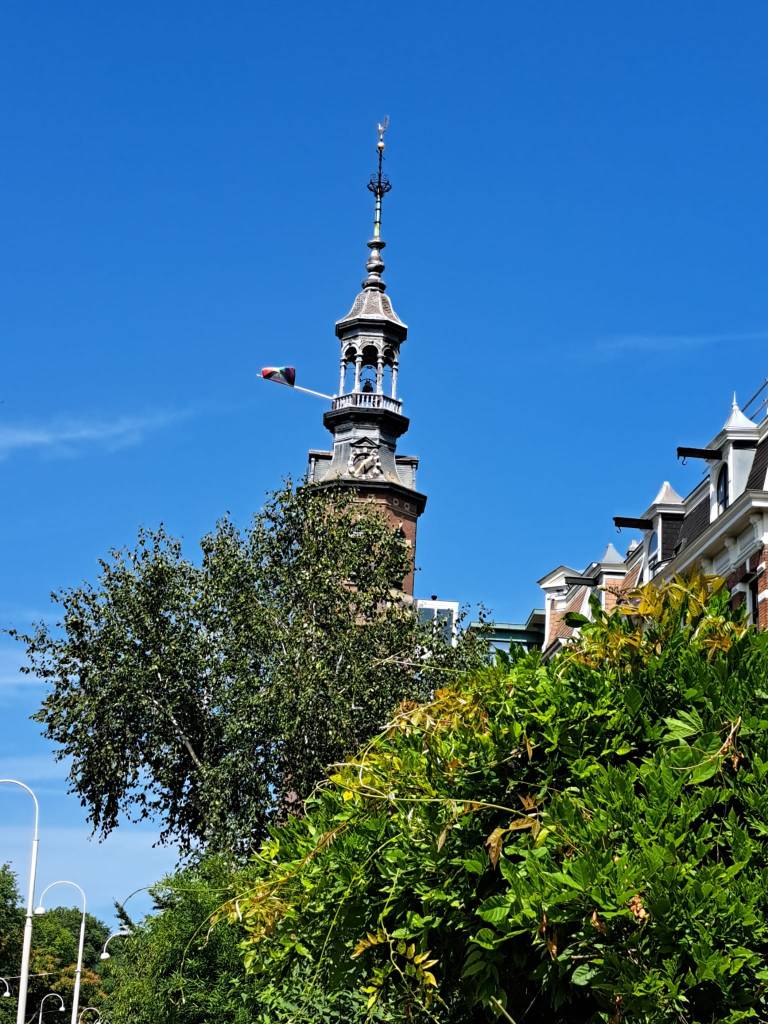
This photo shows the iconic church tower of the Muiderkerk.

This image shows the interior of the Muiderkerk. The pulpit is prominently featured in the foreground.
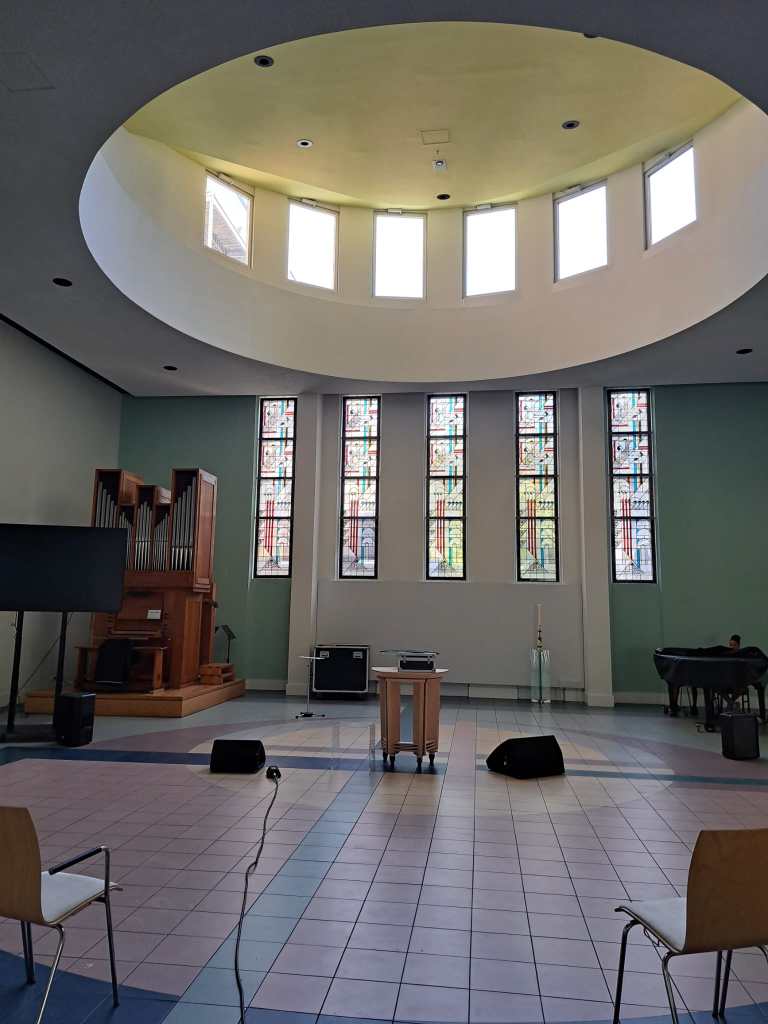
In 1989, a fire broke out in the Muiderkerk. Although the church tower was spared, the interior of the church was heavily damaged. As a result, the interior looks different today.
Sport field
Sikke had to exercise regularly on the sport field. It is very likely that he meant the field at Museumplein.
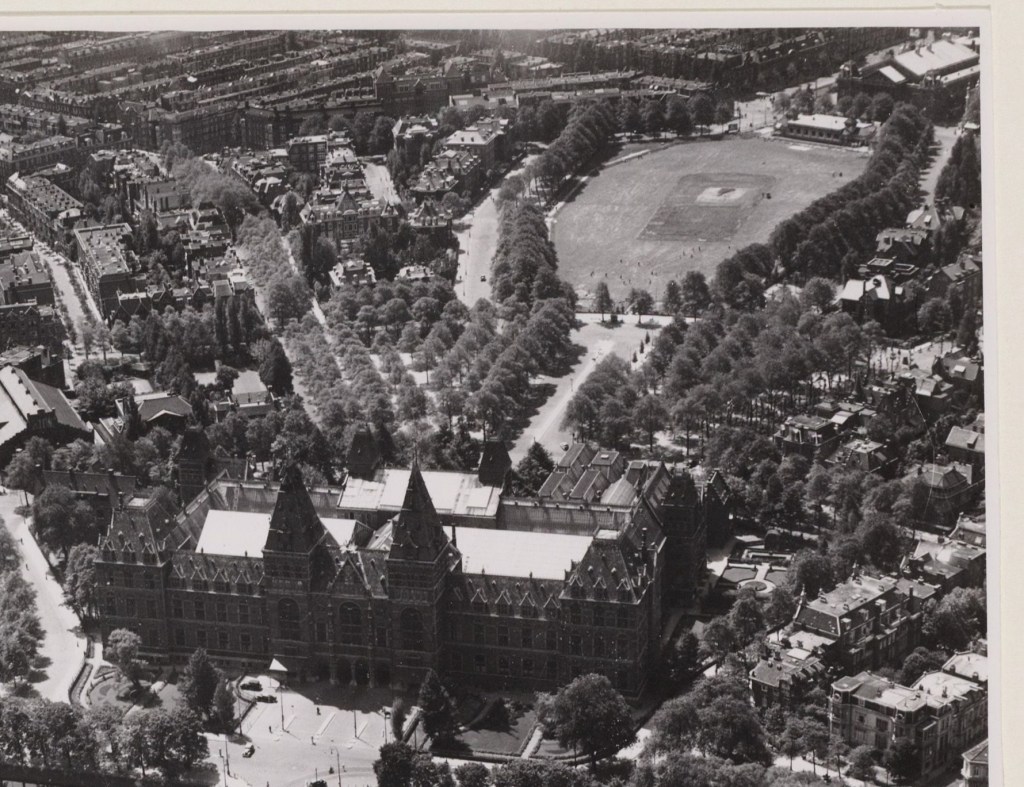
Sikke most likely referred to the sports field near Museumplein.
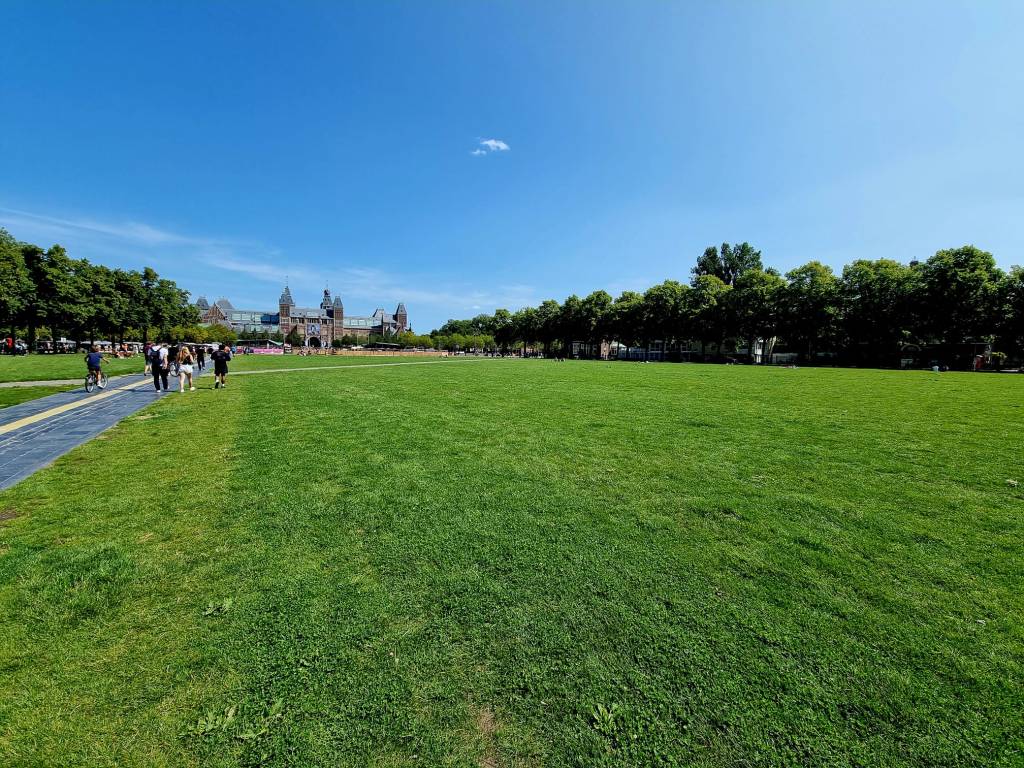
The field next to Museum Square is visited a lot during the summer days.
 Soldaat Sikke Hiemstra